 Pin It
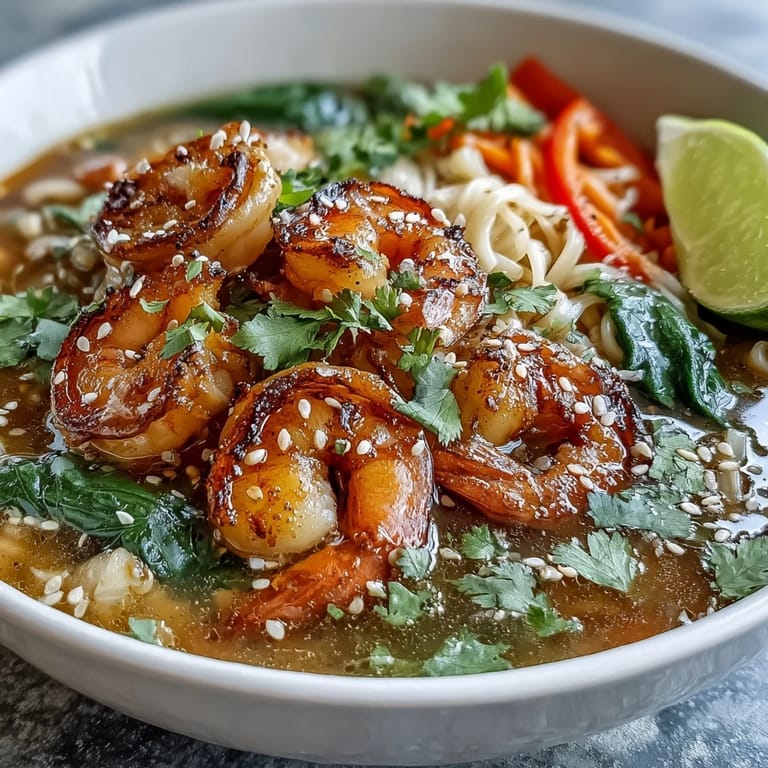
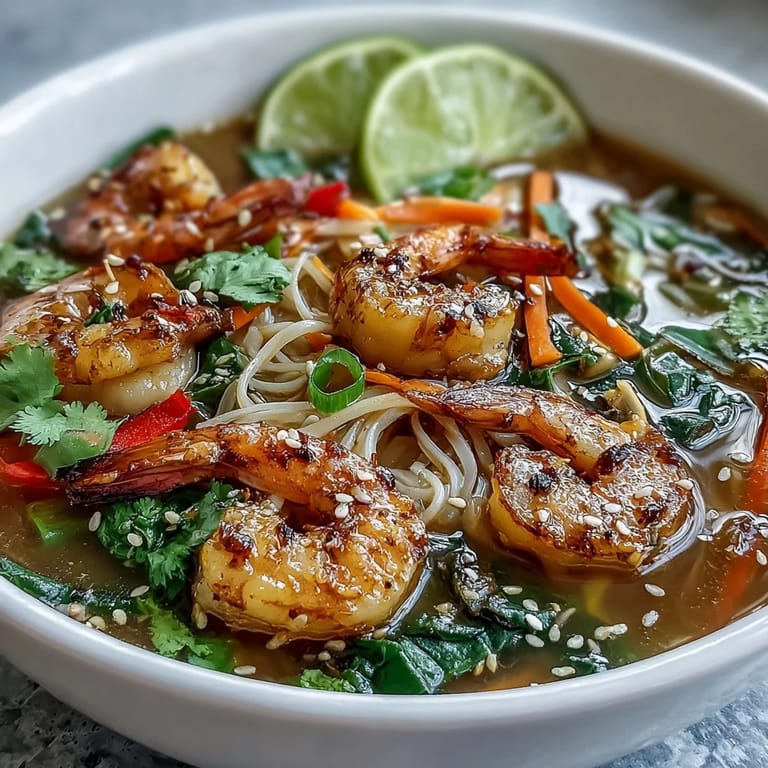
 There's something about the smell of ginger and garlic hitting hot oil that instantly transports me to a tiny noodle shop tucked between buildings in an old neighborhood. One rainy afternoon, I watched a cook move with such ease, layering seafood into bowls of steaming broth like they were creating edible art. I went home that night determined to recreate that magic, and this Asian noodle bowl became my love letter to that moment. The combination of tender shrimp, buttery scallops, and silky noodles swimming in a savory broth felt impossible to master at first, but patience and a few practice runs changed everything.
I made this for my partner on a random Tuesday when they came home exhausted, and watching their whole face change when they tasted it was worth every minute. They kept asking what restaurant I'd ordered from, and the grin on my face when I admitted I'd made it myself felt earned in a way that store-bought meals never do.
Ingredients
- Large shrimp (200 g): Buy them already peeled and deveined to save time, but pat them dry before cooking so they sear properly instead of steaming.
- Sea scallops (200 g): The larger, sweeter ones make a real difference—check that they're labeled "dry" because wet scallops release moisture and won't get that golden exterior.
- Rice or soba noodles (200 g): Rice noodles feel lighter and soak up the broth beautifully, while soba adds a subtle nutty flavor that complements the seafood.
- Carrot, julienned: Cut them thin and uniform so they cook evenly in just a few minutes without becoming mushy.
- Red bell pepper, thinly sliced: The brightness cuts through the richness of the seafood and adds a pop of color that makes the bowl irresistible.
- Snow peas (100 g): Leave them whole or halve them lengthwise so they stay crisp and don't disappear into the broth.
- Baby bok choy, halved: Their tender leaves absorb the broth while the stems stay crunchy, creating that textural contrast that keeps every bite interesting.
- Spring onions, sliced: Use both the white and green parts for layered onion flavor, saving some of the green for garnish.
- Fresh ginger (1 tablespoon, grated): Always grate it fresh—ground ginger tastes like cardboard compared to the bright, spicy punch of freshly grated root.
- Garlic cloves (2, minced): Mince them fine so they dissolve into the broth and flavor every spoonful rather than creating little chunks.
- Low-sodium broth (1 liter): The "low-sodium" part is crucial because soy sauce and fish sauce are already salty, and oversalting ruins everything.
- Soy sauce (2 tablespoons): Use regular soy sauce unless you need gluten-free, because it has a depth that tamari sometimes lacks.
- Fish sauce (1 tablespoon): This is the secret ingredient that tastes terrible on its own but transforms the entire broth into something complex and crave-worthy.
- Sesame oil (1 tablespoon): Toast sesame oil burns easily, so add it at the end or use it to start the broth base—never let it smoke.
- Rice vinegar (1 tablespoon): The acidity brightens everything and keeps the broth from tasting one-note and heavy.
- Chili paste (1 teaspoon, optional): Stir it in slowly and taste as you go, because heat builds and you can't take it back.
- Fresh cilantro, toasted sesame seeds, lime wedges: These final layers are what turn a good bowl into one you think about the next day.
Tired of Takeout? 🥡
Get 10 meals you can make faster than delivery arrives. Seriously.
One email. No spam. Unsubscribe anytime.
Instructions
- Cook the noodles first:
- Follow the package timing exactly—whether it's rice or soba, that perfect al dente texture is what prevents them from turning into mush when the hot broth hits them. Rinse them in cold water so they don't stick together while you finish everything else.
- Build your aromatic base:
- Heat that sesame oil over medium heat and watch it shimmer, then add your ginger and garlic. You'll know they're ready when the kitchen smells like you're about to create something special—that's about one minute of sautéing.
- Create the liquid foundation:
- Pour in the broth, soy sauce, fish sauce, and rice vinegar, and let it come to a gentle simmer rather than a rolling boil. This keeps everything delicate and prevents the seafood from toughening up later.
- Add vegetables with intention:
- Drop in the carrots, bell pepper, snow peas, and bok choy and let them cook for just 3 to 4 minutes. You want them to have a slight bite to them, not soft and surrendered.
- Cook the seafood gently:
- Add the shrimp and scallops together and watch them carefully—they'll go from translucent to opaque in about 2 to 3 minutes, and that's when you stop. Overcooking seafood is the one mistake that can't be salvaged, so set a timer and trust it.
- Taste and season:
- Before you serve anything, steal a spoonful of broth and actually taste it. This is when you add chili paste if you want heat, or more fish sauce if it needs depth, because each stove is different.
- Assemble with care:
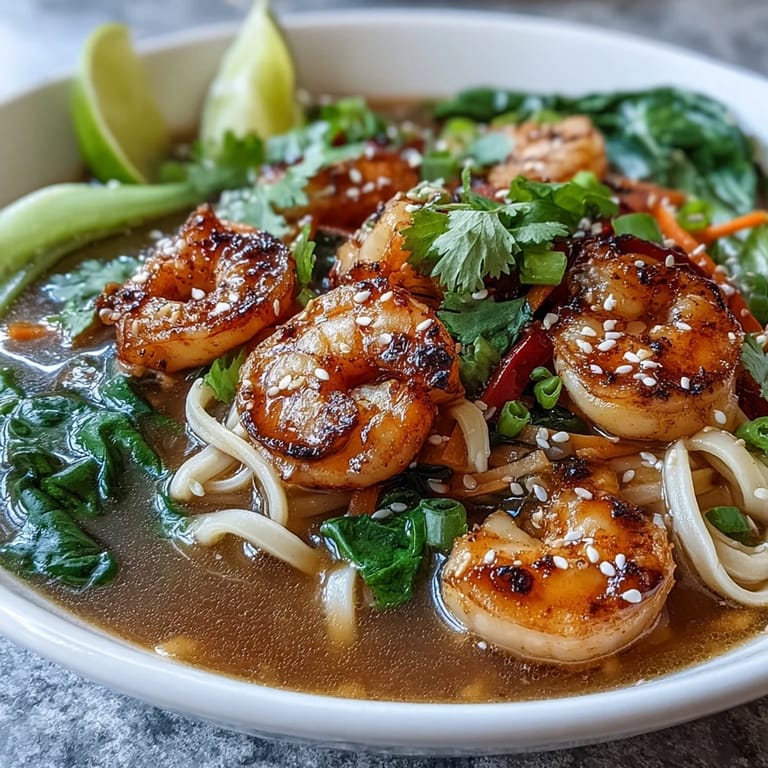
- Place the cooked noodles in the center of each bowl, then ladle the steaming broth, seafood, and vegetables around them so everything stays warm and nothing gets buried.
- Finish with personality:
- Top each bowl with spring onions, cilantro, sesame seeds, and a squeeze of lime juice—these aren't decorations, they're flavor layers that make the difference between good and unforgettable.
 Pin It
 The moment I nailed this recipe was when my neighbor, who's from Vietnam, took a sip of my broth and smiled without saying anything. That quiet nod of approval meant more than any compliment could.
The Science of Seafood in Broth
Shrimp and scallops are delicate proteins that cook from the outside in, which is why high heat and short timing are everything. When you add them to gently simmering broth instead of a rolling boil, the heat distributes evenly and they stay tender instead of contracting into little rubber erasers. I learned this the hard way by overcooking an entire batch, and now I actually set a timer instead of just guessing.
Building Layers of Flavor
The broth isn't just there to make things wet—it's a vehicle for flavor that builds as you add each ingredient. The ginger and garlic create the base, the soy sauce and fish sauce add umami and depth, and the rice vinegar adds brightness so your mouth doesn't get tired. Starting with aromatic heat in the oil, then building the broth layer by layer, is what separates a bowl that tastes flat from one that tastes like it was made with intention.
Why Fresh Ingredients Matter Here
This dish has so few components that each one shows up loud and clear—there's nowhere to hide with tired vegetables or freezer-burned seafood. Fresh ginger tastes completely different from ground, cilantro that's been in your fridge for three weeks loses its brightness, and seafood that's been sitting around starts to smell like regret. The best version of this recipe is the one where you buy everything the day you plan to cook it.
- Fresh ginger root has a sharp, almost peppery bite that dried ginger can't touch.
- Spring onions add a raw, oniony freshness that softens only slightly when they hit the hot broth.
- Cilantro wilts immediately when it touches heat, so add it right before eating to keep that herbaceous punch.
 Pin It
 This bowl became my answer to cravings I couldn't quite name, and now it's the first thing I make when I want to cook something that feels both comforting and exciting. There's real magic in a meal that comes together this quickly but tastes like it was made with so much care.
Questions & Answers
- → What type of noodles work best for this bowl?
Rice noodles or soba noodles work beautifully in this dish. Rice noodles offer a delicate, gluten-free option that absorbs the savory broth well. Soba noodles made from buckwheat provide a nutty flavor and satisfying texture. Udon or egg noodles make excellent alternatives if you prefer a chewier bite.
- → How do I prevent the shrimp and scallops from becoming tough?
The key is gentle cooking and timing. Add the seafood to the simmering broth and cook just until opaque and firm, typically 2-3 minutes. Avoid boiling vigorously, as high heat toughens seafood quickly. Remove from heat immediately once cooked through to maintain tenderness.
- → Can I make this dish vegetarian?
Absolutely. Substitute the shrimp and scallops with firm tofu cubes, tempeh, or extra vegetables like mushrooms and baby corn. Use vegetable broth instead of chicken broth, and replace fish sauce with soy sauce or a vegetarian fish sauce alternative to maintain the savory depth.
- → How spicy is this noodle bowl?
The base dish has mild heat from aromatic ingredients like ginger and garlic. Add chili paste to your preference, starting with a small amount and tasting as you go. The heat level is completely customizable, making it suitable for all spice tolerances.
- → What beverages pair well with this Asian noodle bowl?
A crisp Riesling complements the dish's sweet and savory notes beautifully. Light lagers, Japanese beers, or dry sparkling wines also work well. For non-alcoholic options, try chilled green tea or sparkling water with lime to refresh the palate between bites.
- → Can I prepare the components ahead of time?
Yes, you can prep vegetables in advance and store them refrigerated. Cook noodles ahead and rinse with cold water to prevent sticking. The broth can be made a day early and reheated. Add seafood fresh when serving for the best texture and flavor.