 Pin It
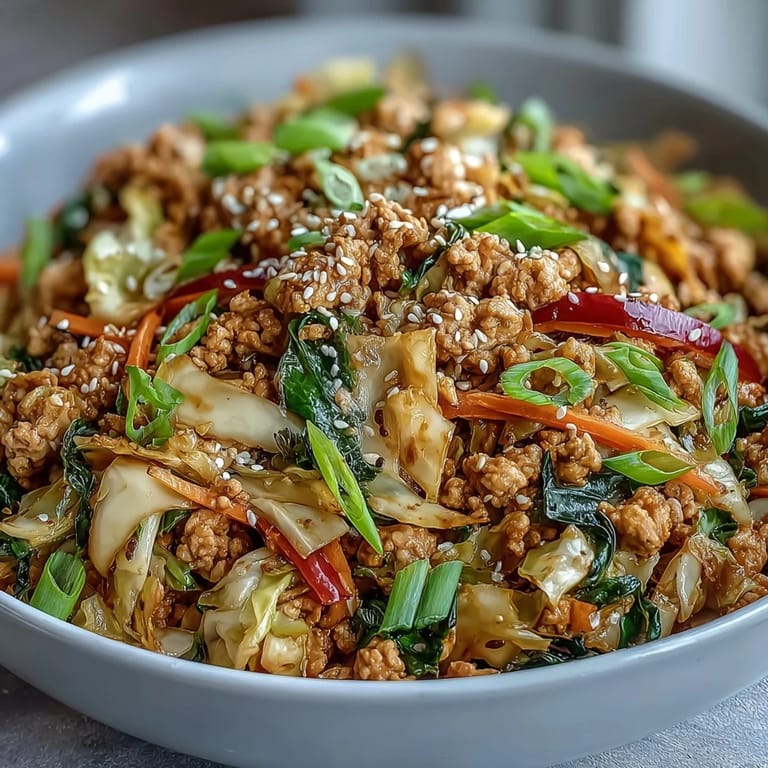
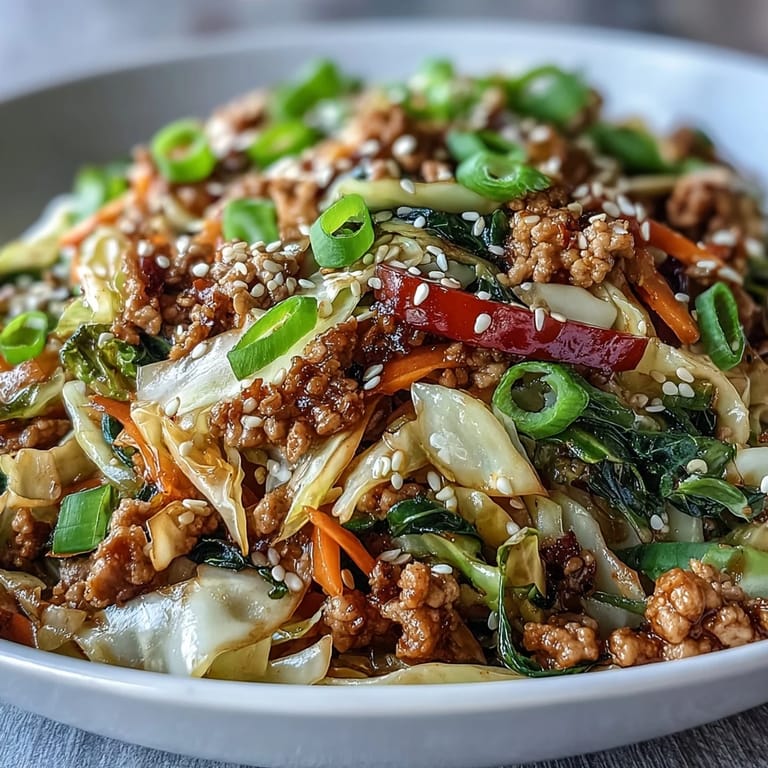
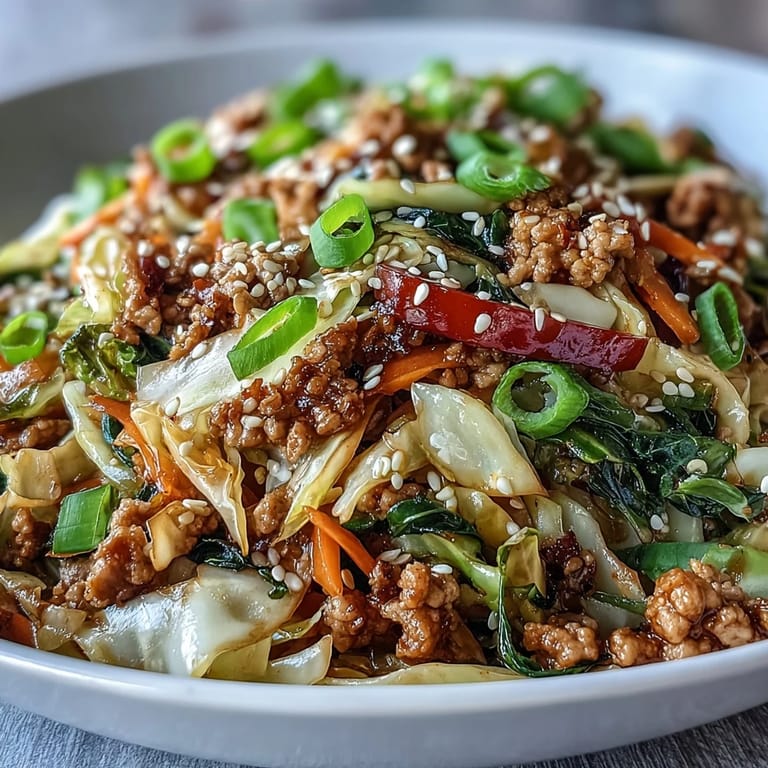
 One Tuesday night, I was staring into my fridge at a head of cabbage and some ground turkey, wondering how to make something that felt exciting rather than obligatory. The answer came together faster than I expected—a stir-fry that's become my go-to when I want to feel full without the heaviness. It's become the kind of dish I make on autopilot now, the one where my hands know exactly what to do before my brain catches up.
I made this for my sister on a night when she was stressed about her training regimen, and watching her realize she could eat a huge, steaming bowl of something flavorful while staying on track was genuinely worth it. She's made it three times since, which for someone who claims they can't cook says everything.
Ingredients
- Lean ground turkey: This is your protein anchor—500 grams gives you that meaty satisfaction without the fat that weighs you down afterward.
- Green cabbage, shredded: About 800 grams might seem like a lot, but it wilts down dramatically and gives you volume without calories, plus that subtle sweetness that develops with heat.
- Carrots, julienned: These add natural sweetness and crunch, but cutting them into matchsticks means they cook in minutes instead of becoming mushy.
- Red bell pepper, thinly sliced: The color matters here—it makes the dish look alive on your plate, and the pepper adds brightness that cuts through the savory elements.
- Green onions, sliced: Keep some raw for garnish and some for cooking; the raw ones maintain that fresh, almost peppery bite.
- Garlic and ginger: Fresh ginger especially—I learned the hard way that pre-minced ginger loses something essential, so grate it yourself if you can.
- Low-sodium soy sauce or tamari: The salty-umami backbone that makes this taste like actual takeout, not diet food in disguise.
- Rice vinegar: Just one tablespoon brightens everything and keeps it from tasting flat.
- Sesame oil: One tablespoon is all you need; this stuff has flavor density that regular oil can't touch.
- Sesame seeds: Toast them yourself in a dry pan for 30 seconds—that makes the difference between a garnish and something people actually notice.
Tired of Takeout? 🥡
Get 10 meals you can make faster than delivery arrives. Seriously.
One email. No spam. Unsubscribe anytime.
Instructions
- Get your wok ready and hot:
- Medium-high heat is your sweet spot here—you want the sesame oil shimmering but not smoking. The pan needs to be hot enough that when the turkey hits it, you hear that immediate sizzle.
- Brown your turkey with intention:
- Don't just dump it in and walk away; break it into small pieces as it cooks so you get actual browning on multiple surfaces instead of one large, pale clump. Five minutes, maybe six, until there's no pink anywhere.
- Bloom your aromatics:
- Once the turkey's done, the hot pan is primed to release every bit of flavor from the garlic and ginger. One minute of sizzling is all it takes before the whole kitchen smells like something from a restaurant kitchen.
- Add your vegetables in stages:
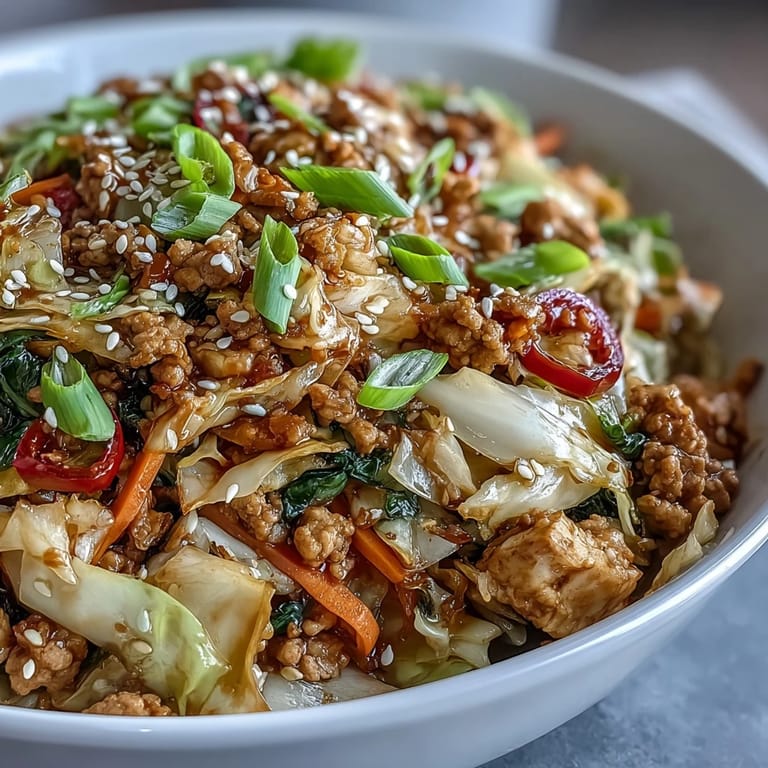
- Cabbage, carrots, and bell pepper go in together because they're your volume players and they all need roughly the same cooking time. Stir constantly for 5 to 7 minutes—the sound changes from a wet sizzle to a drier rustle as the vegetables soften.
- Finish with the liquid magic:
- Soy sauce, rice vinegar, and chili flakes all hit at once, and you'll notice the steam that rises carries way more flavor than before. Toss everything to coat, taste it, and adjust your salt and pepper.
- Green onions go in at the end:
- They're too delicate to cook, so raw is better—that snap against the warm vegetables matters. Sprinkle sesame seeds on top and serve immediately while everything's still hot.
 Pin It
  Pin It
 There's something quietly powerful about sitting down to a meal that tastes indulgent while being exactly what your body needs. This dish stopped feeling like punishment and started feeling like self-care, which might be the most important transformation any recipe can make.
The Truth About Takeout Cravings
What I realized making this regularly is that the reason takeout wins isn't because home cooking can't taste good—it's because we don't usually invest the two minutes of active prep that makes a difference. Pre-minced garlic from a jar tastes like disappointment. Fresh garlic that you actually grate into the hot oil tastes like restaurant skill. The sesame oil isn't expensive, but using real sesame oil instead of vegetable oil is what separates this from tasting like a sad diet meal.
Building Your Flavor Base
The combination of soy sauce, rice vinegar, and sesame oil is doing something specific—it's building depth without sugar or weird additives. Soy sauce brings salt and umami, vinegar brings brightness and acidity that keeps it from tasting heavy, and sesame oil brings nuttiness that makes your brain register this as something special. You could add sriracha or more chili flakes if you want heat, but honestly, the base is already complete even without it.
Making It Work For You
The beauty of this recipe is that it adapts without falling apart. Chicken instead of turkey works perfectly—actually, some people swear by it. Tofu soaks up the sauce and gives you a vegetarian protein that doesn't get weird. Even tempeh, which I was skeptical about until someone made it for me, somehow works here.
- Serve it over cauliflower rice if you're staying strictly low-carb, or brown rice if you want something more grounding.
- Make a double batch and eat it for lunches all week—it reheats beautifully in a pan rather than the microwave, which matters for texture.
- Add a fried egg on top if you want extra protein and richness without it tasting or feeling excessive.
 Pin It
  Pin It
 This stir-fry taught me that healthy eating doesn't mean sacrificing flavor or satisfaction—it means being intentional about the ingredients you use and giving them the attention they deserve. Once you make it a few times, you won't need to think about it anymore.
Questions & Answers
- → Can I make this without a wok?
Yes, a large non-stick skillet works perfectly. The key is maintaining high heat and keeping ingredients moving for that characteristic stir-fry texture and flavor.
- → What protein alternatives work well?
Ground chicken provides similar results. For plant-based options, try crumbled extra-firm tofu or tempeh. Both absorb the Asian-inspired sauce beautifully while maintaining texture.
- → How do I prevent cabbage from becoming soggy?
Stir-fry vegetables just until tender-crisp, about 5-7 minutes. The cabbage should retain some crunch. Work in batches if your pan is overcrowded to ensure proper heat distribution.
- → Is this suitable for meal prep?
Absolutely. This dish reheats beautifully and actually develops more flavor as ingredients meld together. Store in airtight containers for up to three days in the refrigerator.
- → Can I add other vegetables?
Bok choy, snap peas, or broccoli make excellent additions. Add harder vegetables like carrots and broccoli first, then quicker-cooking items like snap peas and bok choy near the end.
- → What makes this high-volume?
The substantial amount of cabbage and vegetables creates a large, satisfying portion with minimal calories. This approach helps you feel full while supporting weight management goals.