 Pin It
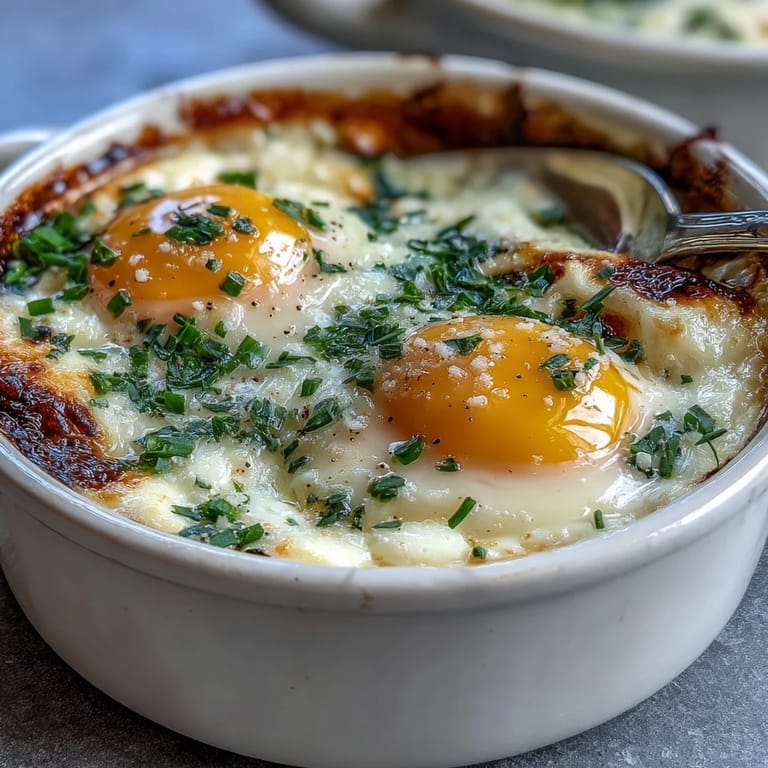
 The scent of fresh chives and melting butter drifting through my kitchen stopped me mid-chop the first time I made eggs en cocotte. I didn’t plan anything extravagant—just a brunch for two that accidentally became something worth lingering over. There's something ceremonious about sliding those delicate ramekins into a water bath and waiting as the eggs gently set. Even my cat perched curiously on the windowsill as we waited for the timer to chime. The anticipation grew alongside the warmth filling the room.
Last spring, I surprised my mom on Easter morning, and she peeked into the oven with an approving grin. Her delighted hum when the yolk oozed onto toast was better than any holiday card. We laughed about our failed soufflé from years before as we savored these forgiving, gorgeous eggs together. The table was scattered with chive blossoms and napkins, and not a crumb remained. It was the kind of moment that made everyone feel both relaxed and spoiled.
Ingredients
- Unsalted butter: Greasing the ramekins really is a secret weapon for easy unmolding and golden edges.
- Heavy cream: Lining the bottom means every spoonful is luxuriously silky, and I’ve found that room temperature cream blends best.
- Parmesan cheese: That little salty crunch on top is what people remember—freshly grated, please, for the right melt.
- Eggs: Crack them gently into a small bowl first if you’re wary of broken yolks or eggshells sneaking in.
- Fresh chives, parsley, thyme: Since they go on both the base and top, their brightness sings through the creaminess—don’t skip!
- Salt and black pepper: Seasoning between layers keeps each bite lively.
- Optional garnish (extra chives or parsley): A last-minute sprinkle not only looks charming but adds a pop of flavor right at the end.
Tired of Takeout? 🥡
Get 10 meals you can make faster than delivery arrives. Seriously.
One email. No spam. Unsubscribe anytime.
Instructions
- Get Ready:
- Preheat your oven to 375°F and set a kettle to boil so you’re not scrambling for water later.
- Prepare the Ramekins:
- Butter the insides of your ramekins generously until your fingers gleam, then set them on the counter like little soldiers ready for duty.
- Add Cream and Herbs:
- Pour cream into each ramekin and scatter in half your fresh herbs and a sprinkle of parmesan—the sizzle when the cream hits the hot dish is faint but lovely.
- Egg Time:
- Crack two eggs slowly into each ramekin—treating the yolks like treasure—then season with salt and pepper.
- Final Touches:
- Crown with the remaining herbs and parmesan and tuck a tiny knob of butter atop each one just before they head to the oven.
- Water Bath:
- Place ramekins in a deep baking dish and pour in that boiling water until it comes halfway up their sides—the gentle steam works magic here.
- Bake and Rest:
- Slide into the oven for 12 to 15 minutes, peeking in for set whites and tender yolks, then remove and let them sit two minutes (the hardest part is waiting).
- Garnish and Serve:
- Top with a flourish of extra herbs if you like before serving—then dive in with a spoon or toasted brioche.
 Pin It
  Pin It
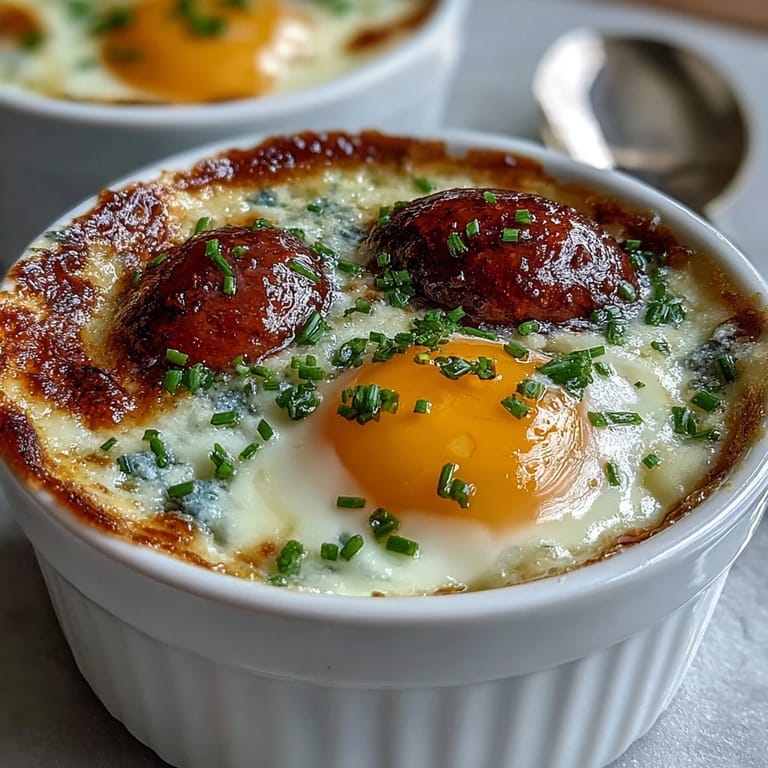
 The day I brought these eggs to a friend’s rainy-day brunch, conversation paused as the spoons cracked through to the molten yolks. For a minute, we just exchanged wide-eyed grins between bites. Sometimes a simple meal really does become its own little celebration.
Making It Your Own
After a handful of tries, I started sneaking bits of sautéed spinach or a flake of smoked salmon at the bottom for that elusive savory surprise. Each addition transforms the dish, and no two ramekins ever taste exactly alike. Friends now look forward to not knowing quite what flavor twist awaits inside.
What to Serve With Eggs en Cocotte
My favorite partner is toasted brioche—its crisp warmth absorbs every drop of herbed cream and runny yolk. Crisp asparagus spears on the side are a simple nod to spring mornings, or a tangle of lightly dressed greens for a lighter menu. No matter the occasion, a good slice of crusty bread for dipping always finds eager takers.
Little Moments to Savor
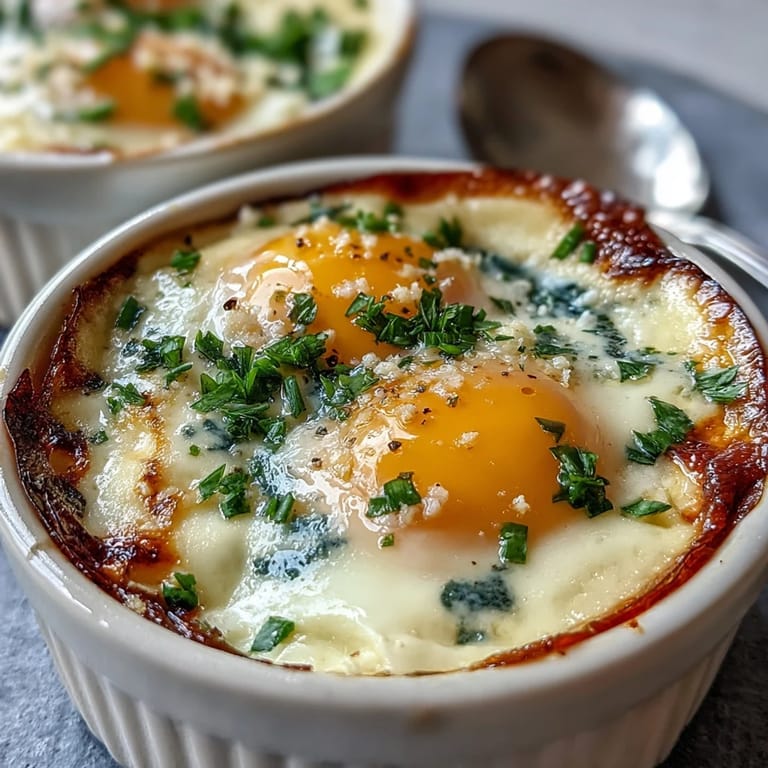
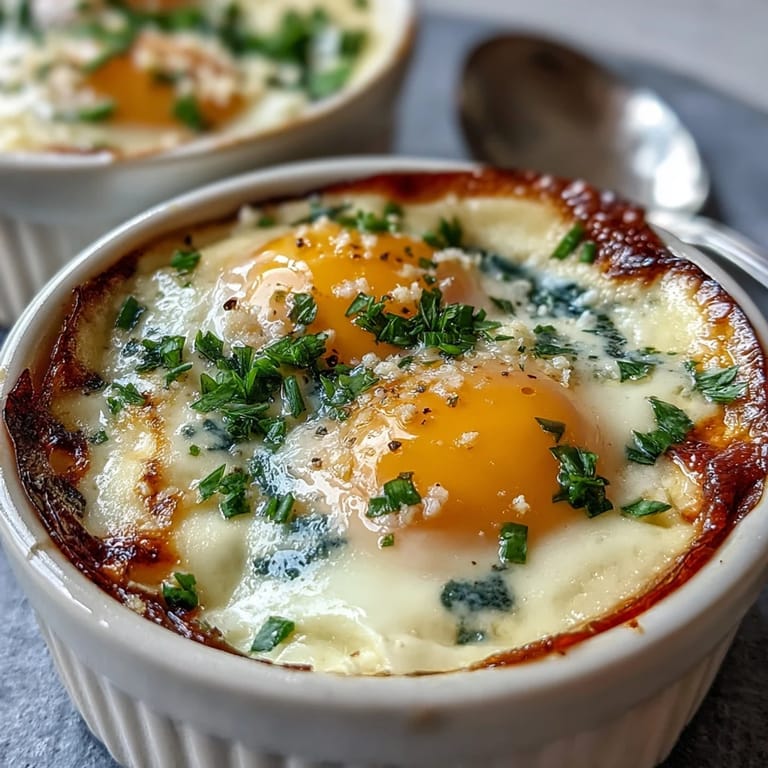
There’s an easy joy in the clink of ramekin against spoon and the sight of steam swirling up as you break into each egg. Sharing these at the table invites everyone to slow down and taste everything more carefully. The ritual is simple, and the results always seem more festive than the effort involved ever suggests.
- If you like a firmer yolk, just bake for an extra two minutes.
- Have your garnishes prepped ahead for a picture-perfect finish.
- For extra flavor, try swapping in Gruyère or goat cheese instead of parmesan.
 Pin It
  Pin It
 However you serve them, eggs en cocotte never fail to bring a little warmth and a touch of ease to any table. Here’s to savoring the simple pleasures and the people gathered beside you.
Questions & Answers
- → How do I achieve runny yolks without undercooked whites?
Use a water bath and bake at 375°F (190°C) for 12–15 minutes. The steam and gentle heat set whites evenly while keeping yolks soft; check at 12 minutes and add 1–2 minutes if needed.
- → Can I change the cheese?
Yes. Gruyère adds nuttiness and melts well; tangy goat cheese offers a creamier, sharper finish. Reduce salt if using a very salty cheese.
- → What swaps work for dairy or richer custard?
Substitute half-and-half or a lighter cream for heavy cream to reduce richness, though texture will be slightly less custardy. For a tangy lift, mix a little crème fraîche into the cream.
- → How do I adapt for different ramekin sizes?
Use 6-ounce ramekins for the stated timings. For larger vessels, increase bake time by 3–5 minutes and monitor doneness; smaller ramekins will need slightly less time.
- → Can this be assembled ahead of time?
You can assemble ramekins and refrigerate for up to 24 hours. Bring to room temperature for 15–20 minutes before baking and add a few extra minutes to the cook time if chilled.
- → Any garnish or serving suggestions?
Finish with extra chopped chives or parsley for freshness. Serve with toasted brioche or crusty bread for dipping; smoked salmon or sautéed spinach make elegant additions to the base.