 Pin It
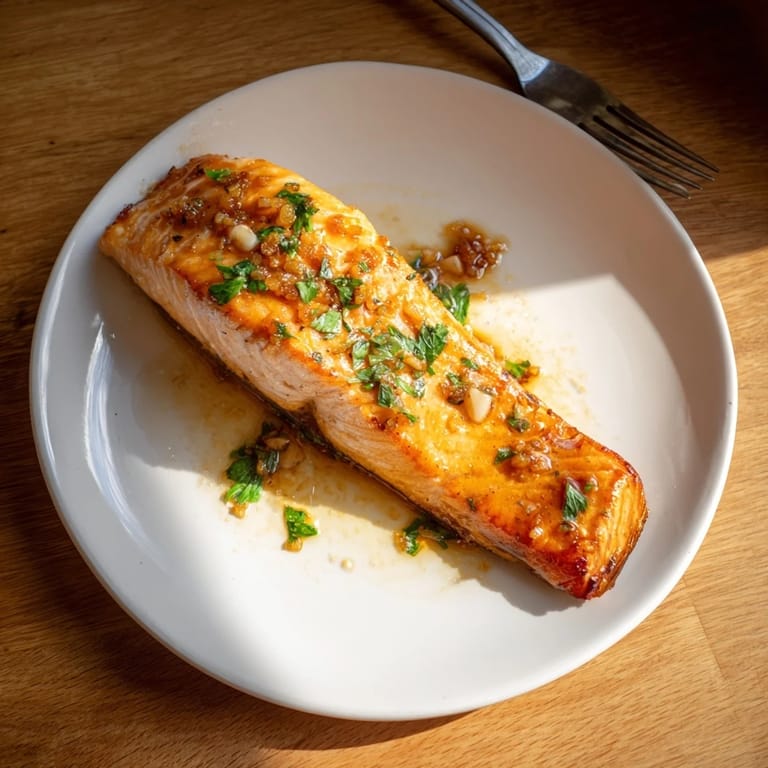
 There was a Tuesday night when I had twenty minutes before everyone got home, nothing defrosted, and a vague memory of salmon tucked in the back of the freezer. I threw together honey, butter, and garlic without measuring much, brushed it over the fillets, and slid them into a hot oven. The smell that filled the kitchen fifteen minutes later made me look like I'd planned it all along. That's how this recipe was born, out of luck and hunger, and it's never let me down since.
I made this for my brother once when he came over tired from a long shift. He sat at the counter, barely talking, then looked up after the first bite and said it tasted like care. I hadn't thought of it that way before, but he was right. Sometimes a meal like this says more than words can, especially when it's simple, warm, and made with attention.
Ingredients
- Salmon fillets: Look for fillets with bright color and firm flesh, skin-on helps keep them moist but skinless works too if you prefer.
- Salt and black pepper: Just a light touch, the glaze brings plenty of flavor on its own.
- Honey: This is what gives the glaze its shine and caramelized sweetness, don't skip it or swap it for sugar.
- Unsalted butter: Melted butter carries the garlic and balances the honey with richness.
- Garlic: Fresh minced garlic is key, the jarred stuff won't have the same punch.
- Soy sauce: Adds depth and a hint of umami, use gluten-free tamari if needed.
- Lemon juice: Freshly squeezed brightens everything and cuts through the sweetness.
- Dijon mustard: Optional but it adds a subtle sharpness that makes the glaze more complex.
- Fresh parsley: A handful chopped fine for color and a fresh finish.
- Lemon wedges: For serving, because a squeeze at the table makes it feel complete.
Tired of Takeout? 🥡
Get 10 meals you can make faster than delivery arrives. Seriously.
One email. No spam. Unsubscribe anytime.
Instructions
- Prep the oven and tray:
- Preheat to 200°C (400°F) and line a baking tray with parchment paper or give it a light grease. This keeps cleanup easy and prevents sticking.
- Season the salmon:
- Pat each fillet dry with paper towel, then lay them on the tray and season both sides with salt and pepper. Drying them helps the glaze stick better.
- Make the glaze:
- In a small bowl, whisk together honey, melted butter, minced garlic, soy sauce, lemon juice, and Dijon mustard if using until smooth. It should look glossy and smell incredible.
- Brush it on:
- Use a pastry brush to coat the top and sides of each fillet generously with the glaze. Don't be shy, this is where the flavor lives.
- Roast until done:
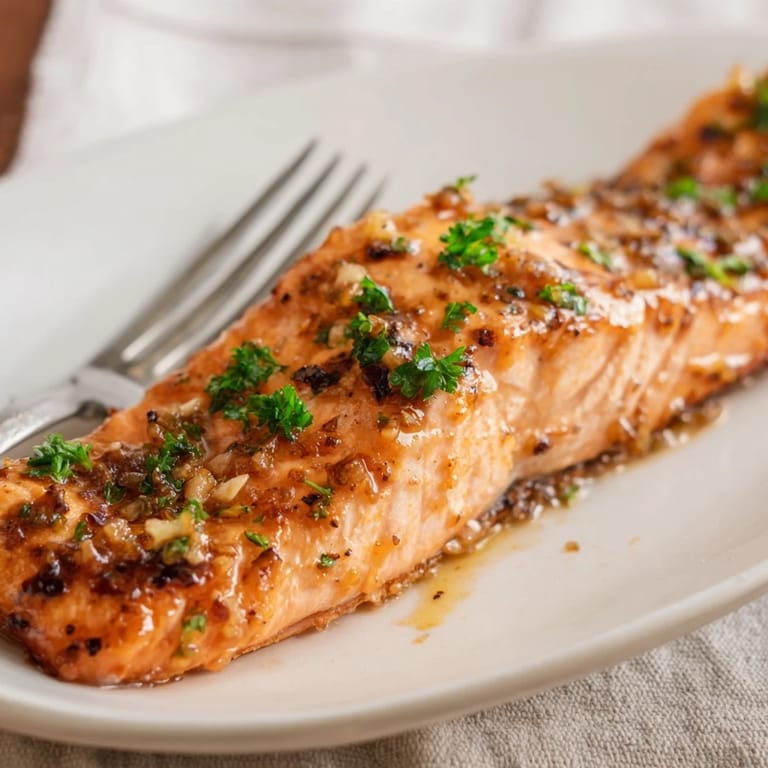
- Slide the tray into the oven and roast for 12 to 15 minutes, until the salmon flakes easily with a fork and the glaze has started to bubble and darken at the edges.
- Caramelize the top:
- If you want extra caramelization, switch to broil for the last 1 to 2 minutes. Watch it closely so it doesn't burn.
- Finish and serve:
- Remove from the oven, spoon any pan juices over the fillets, and sprinkle with chopped parsley. Serve hot with lemon wedges on the side.
 Pin It
 One evening I served this with nothing but steamed jasmine rice and green beans. My friend sat back after her plate was empty and said she felt like she'd been taken care of. That's when I realized this dish isn't fancy, it's just honest. It shows up when you need something reliable, flavorful, and kind.
What to Serve It With
This salmon loves simple sides that don't compete. I usually go for steamed rice or roasted baby potatoes to soak up the glaze, and something green like asparagus, broccolini, or a crisp salad with lemon vinaigrette. If you want to make it feel more special, add a bowl of garlic butter sautéed spinach or roasted Brussels sprouts. The key is balance, let the salmon be the star and build around it with things that feel light and fresh.
How to Store and Reheat
Leftovers keep well in an airtight container in the fridge for up to two days. I like to eat them cold over salad greens the next day, the glaze firms up and tastes almost like a dressing. If you prefer it warm, reheat gently in a low oven at 150°C (300°F) for about 8 minutes, covered loosely with foil so it doesn't dry out. The microwave works in a pinch but can make the texture a bit rubbery, so I avoid it when I can.
Little Changes That Work
I've played with this recipe more times than I can count. Sometimes I add a pinch of crushed red pepper flakes to the glaze when I want a little heat, or swap the honey for maple syrup if that's what I have open. A teaspoon of grated fresh ginger stirred into the glaze makes it taste brighter and more aromatic. If you don't have Dijon, a tiny splash of rice vinegar does a similar job of cutting the sweetness.
- Try sprinkling sesame seeds over the top before roasting for a nutty crunch.
- Use skin-on fillets if you want crispy edges, just make sure to brush glaze on the flesh side only.
- Double the glaze and toss it with roasted vegetables on the same tray for a one-pan meal.
 Pin It
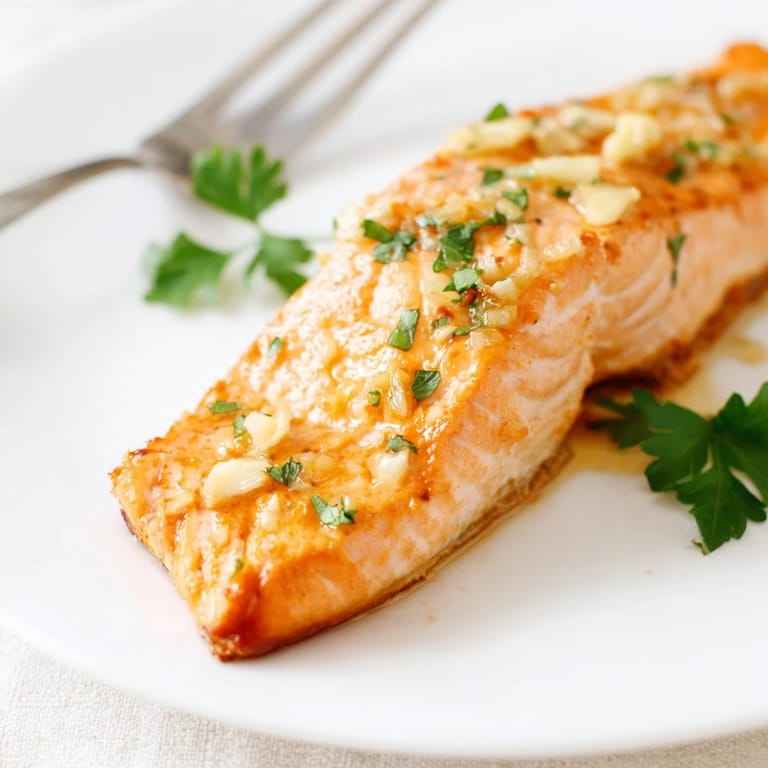
 This is the kind of recipe that makes you feel capable, even on days when you're running on fumes. It's quick, forgiving, and always turns out beautiful.
Questions & Answers
- → How do I know when the salmon is cooked through?
The salmon should flake easily with a fork and reach an internal temperature of 63°C (145°F). The flesh will turn opaque and pull apart gently when ready.
- → Can I use frozen salmon fillets?
Yes, thaw frozen fillets completely before cooking. Pat them dry thoroughly to help the glaze adhere properly and ensure even cooking.
- → What if I don't have Dijon mustard?
The mustard adds depth but is optional. Omit it entirely or substitute with whole grain mustard or a touch of fresh ginger for different flavor notes.
- → Why should I use the broiler at the end?
The broiler creates a caramelized, golden glaze on top through high, direct heat. This final step adds visual appeal and deepens the flavors, but watch carefully to prevent burning.
- → What sides pair best with this dish?
Steamed rice, roasted vegetables like broccoli or asparagus, or a crisp green salad complement the rich glaze beautifully. The acidity of salad balances the sweetness of the honey glaze.
- → Can I make the glaze ahead of time?
Yes, prepare the glaze up to 4 hours ahead and store in the refrigerator. Let it come to room temperature before brushing onto the salmon for even application.