 Pin It
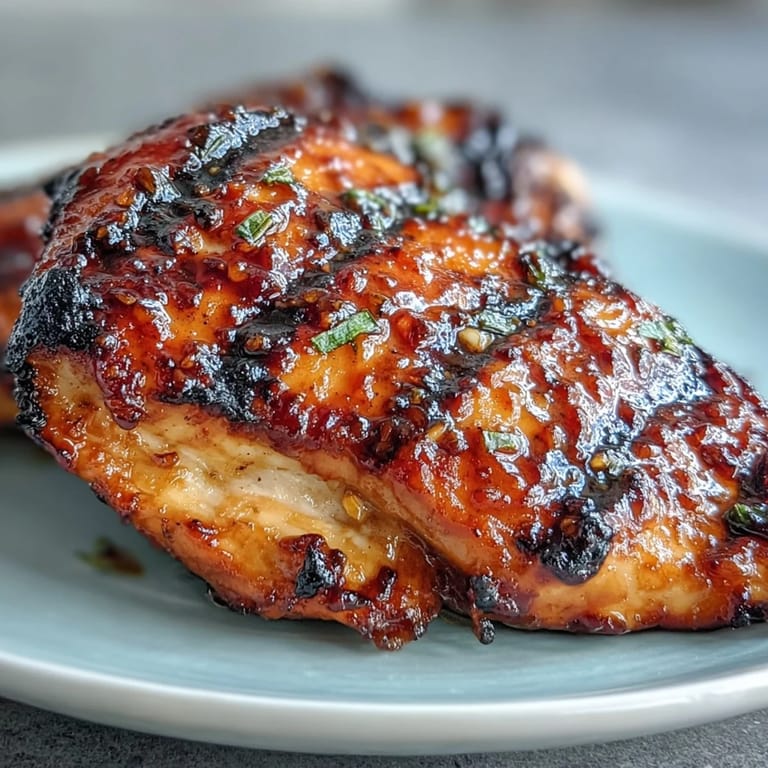
 There's something about the smell of mustard hitting a hot grill that just makes you pause and breathe it in. I stumbled onto this honey mustard chicken combination by accident one summer evening when I had a jar of whole grain mustard that needed using and some honey left over from a farmers market trip. The way the golden glaze catches the heat and caramelizes slightly is pure kitchen magic, and pairing it with crispy sweet potato wedges turned what could've been a simple weeknight dinner into something I actually looked forward to making again.
My roommate showed up unannounced one Thursday with a friend who was apparently very picky about food, and I had exactly these ingredients on hand. I threw everything together with maybe fifteen minutes to spare before they arrived, and watching that skeptical face light up when they tasted the chicken was one of those small victories that stays with you. Sometimes the best meals happen when you're not trying too hard to impress anyone.
Ingredients
- Boneless, skinless chicken breasts: Four medium breasts work best—thick enough to stay juicy on the grill but not so massive they dry out before the inside cooks through.
- Dijon mustard: This is your sharpness anchor; don't skip it or substitute with yellow mustard, which lacks the depth you need here.
- Whole grain mustard: The seeds add texture and a mellower bite that softens the Dijon's intensity.
- Honey: Use actual honey, not corn syrup pretending to be honey—it caramelizes differently and tastes like something real.
- Olive oil: This keeps the marinade from being just sour and sharp; it adds richness and helps everything coat the chicken evenly.
- Lemon juice: Fresh squeezed makes a noticeable difference, though bottled works in a pinch.
- Garlic cloves, minced: Two cloves might seem small, but garlic can overpower quickly, and you want the mustard-honey combo to stay the star.
- Smoked paprika: This is what gives the glaze its warm color and subtle smoky undertone without actual smoke.
- Salt and black pepper: Season generously—the marinade needs enough seasoning to actually flavor the chicken, not just sit on top of it.
- Sweet potatoes: Choose ones that are similar in size so they roast evenly; scrubbing them well removes any grit without peeling.
- Fresh parsley: A small handful chopped over the finished wedges adds a fresh brightness and looks intentional.
Tired of Takeout? 🥡
Get 10 meals you can make faster than delivery arrives. Seriously.
One email. No spam. Unsubscribe anytime.
Instructions
- Build your marinade:
- Whisk the Dijon and whole grain mustards together first—they blend more smoothly before you add the liquid ingredients. Add honey, olive oil, lemon juice, minced garlic, smoked paprika, salt, and pepper, whisking until everything looks unified and glossy. Taste it straight from the spoon; it should make your mouth react with interest, not pucker.
- Marinate the chicken:
- Place chicken breasts in a resealable bag or shallow dish and pour the marinade over them, making sure each piece gets coated on both sides. The bag method lets you massage the marinade into every crevice without dirtying extra dishes. Refrigerate for at least thirty minutes, though two hours is better if you have the time—longer marinating means more flavor actually penetrating the meat.
- Get your oven and grill ready:
- Preheat your oven to 425°F while you're waiting for the chicken to marinate. Line a baking sheet with parchment paper so cleanup is laughably easy later.
- Prepare the sweet potato wedges:
- Cut your scrubbed sweet potatoes into half-inch thick wedges—thinner and they get too crispy, thicker and the insides stay dense. Toss them with olive oil, smoked paprika, garlic powder, salt, and pepper until they're lightly coated, then spread them in a single layer on your baking sheet.
- Roast the wedges:
- Slide them into the hot oven for thirty to thirty-five minutes, turning them over halfway through so both sides get that golden-brown caramelization. You'll know they're done when the edges are deeply browned and a fork slides through the thickest part easily.
- Heat your grill:
- Get your grill or grill pan to medium-high heat while the wedges are finishing up. You want it hot enough that the chicken will sizzle immediately when it hits the surface, but not so blazing hot that the outside chars before the inside cooks.
- Grill the chicken:
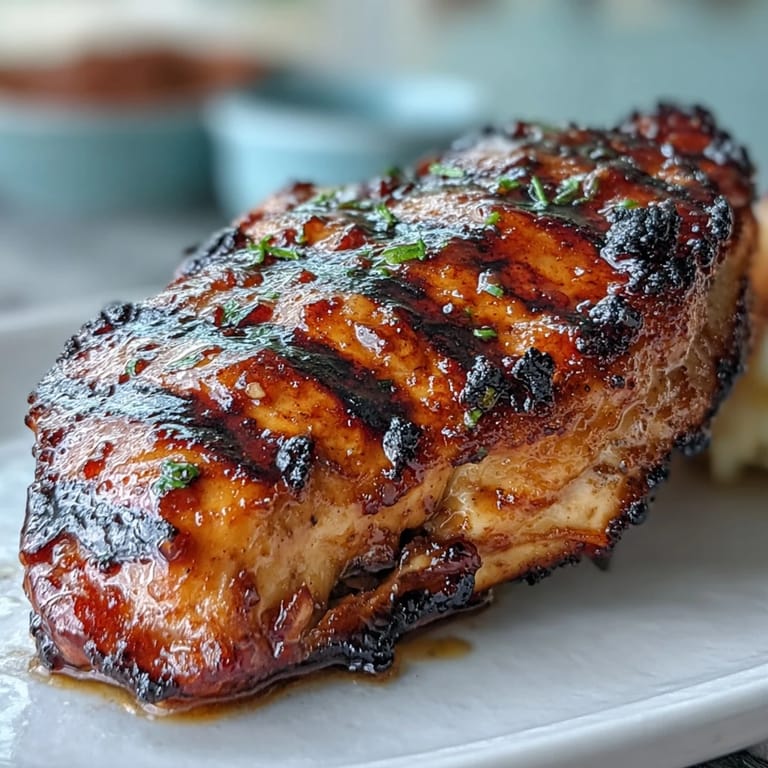
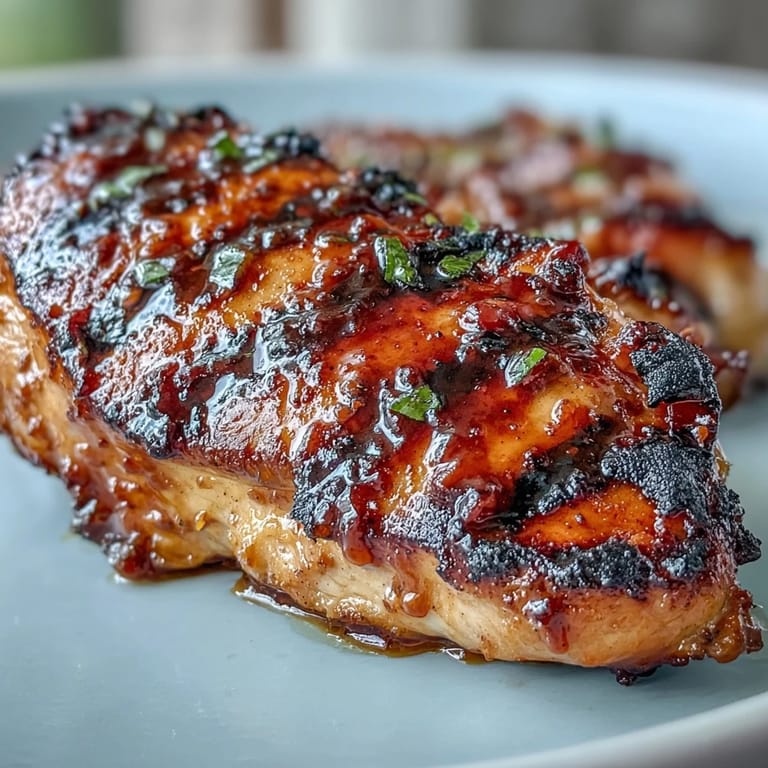
- Remove the chicken from the marinade, letting excess drip back into the bag—you want some on the chicken, not a puddle underneath it. Place the breasts on the hot grill and leave them alone for five to seven minutes without poking at them; you're building that caramelized crust that tastes like actual flavor. Flip them once and grill for another five to seven minutes on the second side until the internal temperature hits 165°F when you check with an instant-read thermometer.
- Rest and serve:
- Let the grilled chicken sit for five minutes on a cutting board before you slice into it—this keeps all the juices inside the meat instead of on your plate. Arrange the chicken alongside the sweet potato wedges, sprinkle parsley over the potatoes if you're feeling fancy, and eat while everything is still warm.
 Pin It
 My neighbor mentioned once that she thought grilled chicken was boring, so I sent her home with a plate of this. She texted me three days later asking for the recipe, which felt like validation that sometimes a simple combination executed well is worth more than complicated techniques trying to show off.
The Marinade Is Your Secret Weapon
The magic here isn't in any fancy technique—it's that you're bathing the chicken in a sauce that's already balanced in flavor before it even hits the grill. Most people grill plain chicken and hope it tastes good; you're guaranteeing it tastes good by doing the work upfront. This is why restaurants taste better than home cooking sometimes: they season their proteins aggressively before they cook them.
Timing and Temperature Matter More Than You'd Think
I learned this the hard way by grilling chicken without a thermometer for years, pulling it off when it looked done on the outside and ending up with that disappointing dry texture inside. An instant-read thermometer costs about eight dollars and removes all the guesswork—165°F internal temperature is the target, and it makes the difference between chicken you tolerate and chicken you actually crave. Also, don't skip the five-minute rest period; it feels like you're wasting time, but the carryover cooking and juice redistribution that happens in those five minutes actually matters.
Sweet Potatoes Are More Forgiving Than You'd Expect
These wedges are honestly hard to mess up, which is why I lean on them so often. They can roast a few minutes longer without turning into charcoal, and even if they're not perfectly uniform in size, the smaller ones get crispier and the larger ones stay creamier, which honestly creates nice texture variation.
- Cut them all roughly the same thickness so they finish cooking at the same time, not because it's a rule but because it makes your life easier.
- Toss them with seasoning and oil right before they go in the oven so the spices don't just sit and dry out on the potatoes while you're marinating chicken.
- Serve them warm but not scalding hot—they taste better when they've cooled from that first-out-of-the-oven intensity anyway.
 Pin It
 This meal has become what I make when I want something that tastes deliberate and flavored without feeling like I spent hours in the kitchen. It's the kind of dinner that makes you feel like you're taking care of yourself without the performance of it.
Questions & Answers
- → How long should I marinate the chicken?
Marinate the chicken breasts for at least 30 minutes and up to 2 hours to allow the flavors to fully penetrate the meat.
- → Can I use chicken thighs instead of breasts?
Yes, chicken thighs can be used. Adjust cooking time accordingly to ensure they are cooked through and tender.
- → What temperature should I roast the sweet potatoes at?
Preheat your oven to 425°F (220°C) for roasting the sweet potato wedges to achieve a crisp and golden exterior.
- → How can I tell when the grilled chicken is done?
Grill the chicken until it reaches an internal temperature of 165°F (74°C) and the juices run clear.
- → Is it necessary to use both Dijon and whole grain mustard?
Using both adds depth and texture to the marinade, balancing the tanginess and providing a richer flavor profile.
- → Can I prepare the marinade ahead of time?
Yes, the marinade can be made in advance and stored in the refrigerator to save time on the day of cooking.