 Pin It
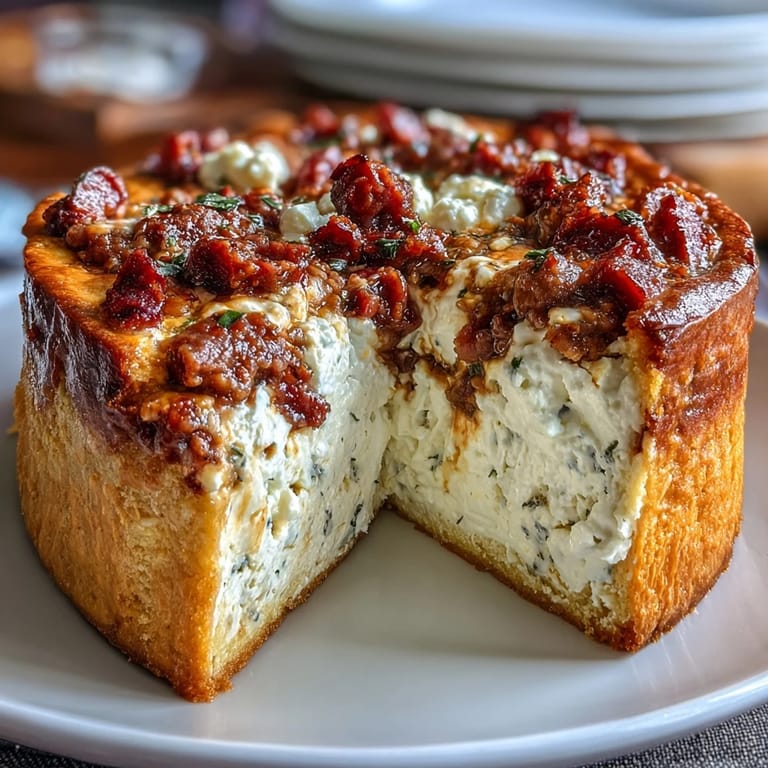
 My grandmother pulled this golden, lattice-topped pie from her oven every Easter Sunday, and the smell of ricotta, salami, and buttery pastry would drift through the entire house by mid-morning. I watched her work the dough with flour-dusted hands, moving with the kind of practiced ease that comes from making the same dish for decades. She never fussed or worried, just folded the edges with a gentle crimp and slid it into the oven like she was tucking in something precious. Years later, when I made it for the first time on my own, I understood why this pie had become tradition, not just recipe.
I made this for a small Easter gathering years ago, nervous because I'd only practiced once before, and my aunt took one bite and closed her eyes like she'd traveled back in time. That single moment, watching someone connect so deeply with a dish you'd made, made every minute of kneading dough and arranging lattice strips feel worthwhile. She asked for the recipe that day, and now her daughter sends me photos of her version every spring.
Ingredients
- All-Purpose Flour (2 1/2 cups): The foundation of a tender, flaky crust, and keeping it cold is the real secret, so don't skip chilling your dough.
- Unsalted Butter (1/2 cup), cold and cubed: Cold butter creates those delicate layers in pastry, so resist the urge to let it soften or your crust won't have that shatter.
- Salt (1/2 teaspoon for dough, 1/2 teaspoon for filling): A pinch in both components draws out flavors without announcing itself.
- Eggs (2 for dough, 4 for filling, 1 for wash): They bind the dough, enrich the filling, and give the crust that burnished finish.
- Cold Water (2–3 tablespoons): Add gradually, just until the dough comes together, because too much makes tough pastry.
- Whole-Milk Ricotta (2 cups), well drained: The backbone of your filling, and draining it beforehand prevents a watery pie that'll disappoint you.
- Heavy Cream (1/2 cup): This softens the ricotta and makes the filling luxuriously creamy instead of dense.
- Parmigiano-Reggiano (1 cup), grated: Its sharpness balances the mild ricotta and adds that umami depth that makes you reach for another slice.
- Italian Salami (1 1/2 cups), diced: Choose good quality here, as it's a main player, and the fat from the salami adds richness to every forkful.
- Mozzarella (1 cup), shredded: It keeps the filling tender and adds a mild, creamy contrast to the sharper cheeses.
- Fresh Parsley (1/4 cup), chopped: A small amount brightens the filling without overpowering the delicate cheese and meat flavors.
- Ground Black Pepper (1/2 teaspoon) and Nutmeg (1/4 teaspoon): These quiet spices add complexity, and the nutmeg especially ties this dish to its Italian heritage.
Tired of Takeout? 🥡
Get 10 meals you can make faster than delivery arrives. Seriously.
One email. No spam. Unsubscribe anytime.
Instructions
- Set Your Stage:
- Preheat your oven to 375°F and grease a 9-inch springform or deep pie pan, because you want no surprises when it's time to unmold this beautiful thing. Have everything measured and within arm's reach, a habit that transforms the whole process from frantic to calm.
- Make the Dough:
- Combine flour and salt, then work in those cold butter cubes with your fingertips until it looks like coarse breadcrumbs, a texture that feels almost sandy in your hands. Add the eggs and just enough cold water to bring it together into a soft dough, then wrap it and chill for 20 minutes while you prepare the filling.
- Line Your Pan:
- Roll out two-thirds of the chilled dough and ease it into the pan, letting the edges overhang a bit, which gives you room to work and seal everything later. Press it gently into the corners so it sits snug and even.
- Build the Filling:
- In a large bowl, combine your drained ricotta, eggs, cream, and both cheeses, stirring until smooth, then fold in the salami, parsley, and spices so everything distributes evenly throughout. The mixture should be thick but spreadable, with visible flecks of salami and herbs.
- Fill and Top:
- Pour the filling into the dough-lined pan and smooth it gently, then roll out the remaining dough and cut it into strips about a half-inch wide. Arrange them in a lattice pattern over the filling, laying them diagonally in both directions, and the woven pattern is as satisfying to create as it is to look at.
- Seal and Wash:
- Fold the overhanging dough up and over the lattice edges, crimping gently to seal, then brush everything, including the lattice strips, with beaten egg so it bakes to a deep golden brown. This egg wash is what makes it look bakery-quality.
- Bake Until Golden:
- Slide it into the oven for 55 to 60 minutes, watching for deep golden color, and if the crust starts browning too quickly, lay foil loosely over the edges to protect them. You'll know it's done when the filling is set and doesn't jiggle when you gently shake the pan.
- Cool and Serve:
- Let it cool for at least 30 minutes before slicing, which allows the filling to set up and makes cutting clean and neat. It's equally good served slightly warm or at room temperature, and each temperature brings out different notes in the filling.
 Pin It
 I brought this pie to a potluck once where everyone was skeptical of anything they couldn't immediately identify, but something about the golden lattice and the aroma convinced them to try a slice. By the end of the evening, three people had asked for the recipe, and one friend started making it for her own family gatherings, a kind of culinary relay race that still makes me smile.
The Art of a Proper Crust
The difference between a crust that shatters like delicate glass and one that feels tough comes down to respecting two things: cold ingredients and minimal handling. I learned this the hard way by over-kneading, by letting my butter warm, by adding water without thinking, and eventually by just watching my grandmother's light touch and adopting her philosophy that less intervention always wins. The dough should come together with a few gentle folds, not aggressive mixing, and the moment it holds together, you stop and chill it.
Why Salami Matters Here
This isn't a vegetable pie with token protein, it's a dish where salami is a main player, and choosing a good quality Italian salami makes a tangible difference in every bite. The fat from the salami seasons the whole filling as it bakes, and the salty, slightly spiced notes create a contrast that keeps your palate interested across the entire slice. I once made it with grocery store salami because I was in a rush, and while it was still good, it lacked the complexity and depth that proper salami brings.
Make It Your Own
Tradition is wonderful, but this pie is forgiving enough to adapt to what you have on hand or what you prefer. I've made versions with prosciutto instead of salami for a more delicate flavor, and a vegetarian version with sautéed spinach that my sister requests every time she visits. The filling's richness can handle substitutions, and that flexibility means you can make this pie year-round, not just at Easter.
- Swap the salami for prosciutto, pancetta, or cooked ham if you want a different flavor direction, and the pie will be equally delicious.
- For a vegetarian version, omit the meat entirely and fold in sautéed spinach, artichokes, or roasted red peppers to add texture and depth.
- If you're short on time, consider using a store-bought pastry dough, which takes nothing away from the impressive result and lets you focus on perfecting the filling.
 Pin It
 This pie has become my Easter language, the way I say to the people I love that I'm thinking of them and their history and the traditions they've passed down. Make it, share it, and watch how quickly it becomes tradition in your own kitchen.
Questions & Answers
- → What is the best pastry for this pie?
A tender, buttery shortcrust pastry made from flour, cold butter, eggs, and a pinch of salt provides the perfect base and lattice topping.
- → Can I substitute the salami?
You can replace salami with prosciutto or cooked ham for a different flavor profile or omit for a vegetarian option.
- → How do I prevent the crust from overbrowning?
Cover the edges loosely with foil partway through baking to protect them from excessive browning while allowing the filling to cook fully.
- → What cheeses are used in the filling?
A combination of ricotta, shredded mozzarella, and grated Parmigiano-Reggiano creates a creamy and flavorful filling.
- → How should the pie be served?
It's best served slightly warm or at room temperature, making it ideal for brunches and celebratory meals.