 Pin It
 There's something about the way miso paste transforms a plain piece of salmon that feels almost like kitchen magic. I discovered this combination on a quiet Tuesday evening when I had salmon thawing and a jar of white miso sitting in my pantry, practically begging to be used for something other than soup. The glaze came together in under a minute, but the result was so unexpectedly elegant that I've made it dozens of times since. What started as improvisation has become the dinner I reach for when I want something that tastes impressive but doesn't demand hours in the kitchen.
I made this for my sister when she came home after a stressful week at work, and watching her take that first bite while the steam rose from the plate reminded me why cooking for people matters so much. She closed her eyes for a moment and just ate quietly, and that small gesture made me realize this simple dish had done exactly what I hoped it would. Sometimes the best meals aren't the complicated ones, they're the ones that say I see you and I know what you need right now.
Ingredients
- Salmon fillets: Look for fillets that are roughly the same thickness so they cook evenly, and don't skip patting them dry before the glaze goes on because moisture is the enemy of a good caramelized top.
- White miso paste: This is milder and slightly sweeter than red miso, which means it won't overpower the delicate salmon flesh and will caramelize beautifully in the oven.
- Mirin: If you can't find mirin, dry sherry works as a close substitute and brings that same glossy sweetness to the glaze.
- Low-sodium soy sauce: The restraint with salt matters here because miso is already salty, and you want to taste the fish, not just the seasoning.
- Honey or maple syrup: Either one works, but the sweetness helps the glaze caramelize and balances the umami intensity of the miso.
- Sesame oil: Just a touch adds a toasty depth that makes people ask what your secret ingredient is.
- Fresh ginger: Use a microplane for grating it into the glaze and a knife for julienning it for the spinach, since the texture changes how you taste it in each component.
- Baby spinach: Fresh and dried separately makes all the difference in texture, so don't skip the washing and drying step even though it feels unnecessary.
- Shallot: Thinly sliced shallots melt into the oil and become almost invisible, but they're the foundation of everything that follows.
- Lemon wedges: These aren't just garnish, they're essential for cutting through the richness and bringing brightness to every bite.
Tired of Takeout? 🥡
Get 10 meals you can make faster than delivery arrives. Seriously.
One email. No spam. Unsubscribe anytime.
Instructions
- Get your oven ready and prep your workspace:
- Preheat to 200°C and line your baking tray with parchment paper so the salmon releases easily and the bottom stays tender instead of sticking and tearing. This takes two minutes but saves you frustration later.
- Build the miso glaze:
- Whisk together miso, mirin, soy sauce, honey, sesame oil, and grated ginger in a small bowl until it looks smooth and glossy, almost like a thick salad dressing. The moment everything combines, you'll smell that umami depth and know you're on the right track.
- Prepare your salmon for the oven:
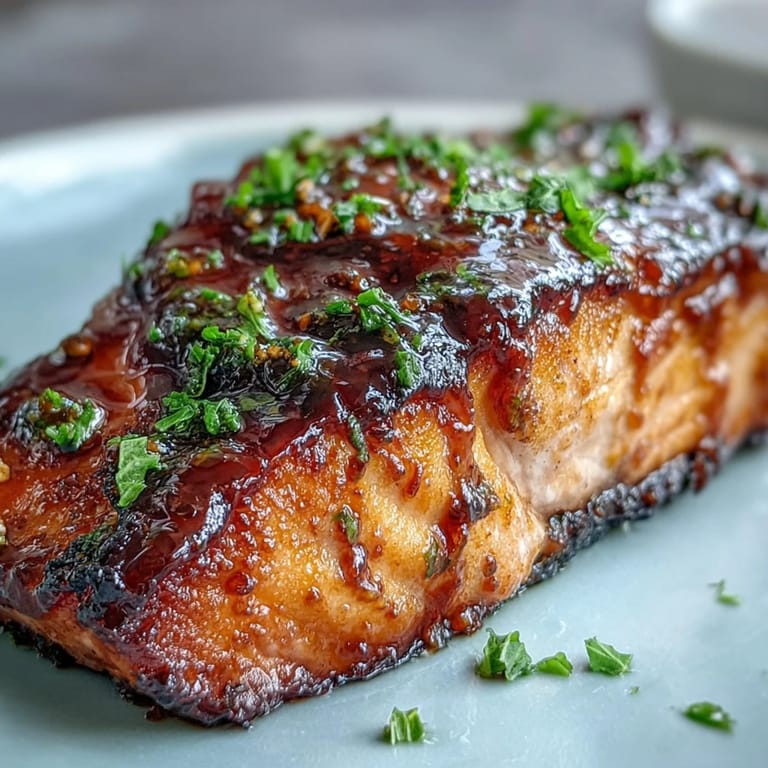
- Pat each fillet completely dry with paper towels, then lay them on the parchment paper and brush the glaze on generously, working it into any crevices. Don't be shy with it, because the glaze is what creates that caramelized top that makes everyone lean in closer.
- Bake until just cooked through:
- Slide the tray into the oven for 10 to 12 minutes, watching for the edges to turn opaque and the glaze to deepen in color. The salmon is done when it flakes gently with a fork but still has the tiniest bit of translucence at the thickest part.
- Start the spinach while the salmon bakes:
- Heat your oil in a large skillet over medium heat and listen for it to shimmer gently before adding the shallot, garlic, and julienned ginger. Sauté for just a minute or two until the kitchen smells alive and fragrant.
- Wilt the spinach in batches:
- Add the spinach a big handful at a time, stirring between additions so it releases its moisture evenly instead of clumping together. This takes about three minutes total, and you want it just wilted but still holding its bright green color.
- Season and plate:
- Toss the spinach with soy sauce and black pepper, divide it among plates, then top each mound with a salmon fillet. Serve with lemon wedges so people can squeeze them over everything exactly how they like it.
 Pin It
 There was a moment during a dinner party when someone asked for the recipe, and I realized that what I'd thought was just a Tuesday night improvisation had become something people actually wanted to recreate in their own kitchens. That's when you know a dish has moved beyond just being food and become something that brings people together.
Why This Combination Works
The miso paste brings an umami depth that complements salmon's natural richness without drowning it, while the ginger cuts through that richness and keeps everything feeling bright and intentional. Spinach is more than just a vegetable here, it's a flavor anchor that soaks up all the ginger-forward notes and becomes something you actually want to eat instead of just pushing around your plate. The lemon brings everything into focus at the last moment, reminding your palate that this is actually a complete meal, not just a showcase for the protein.
Timing and Temperature Matter
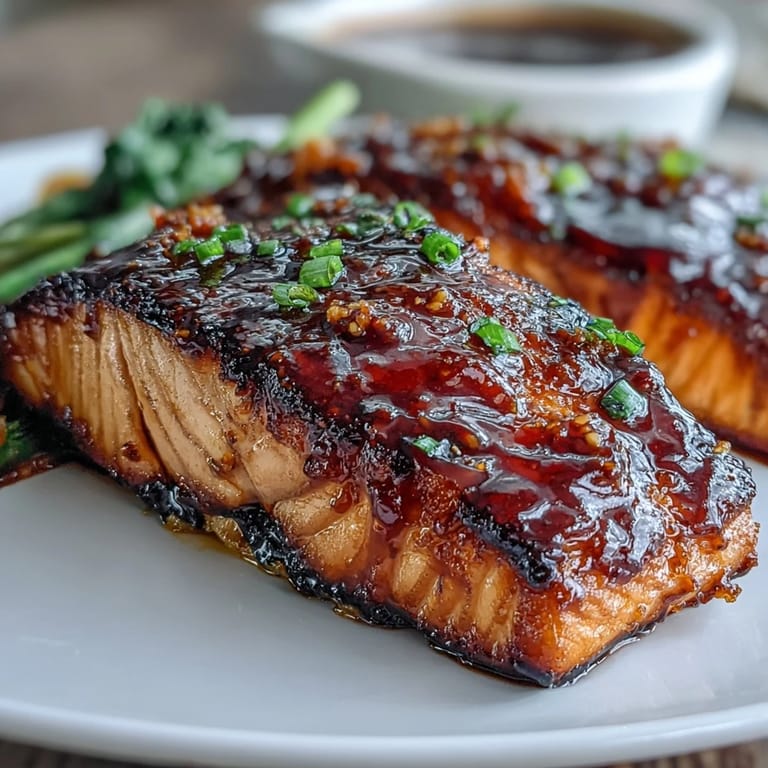
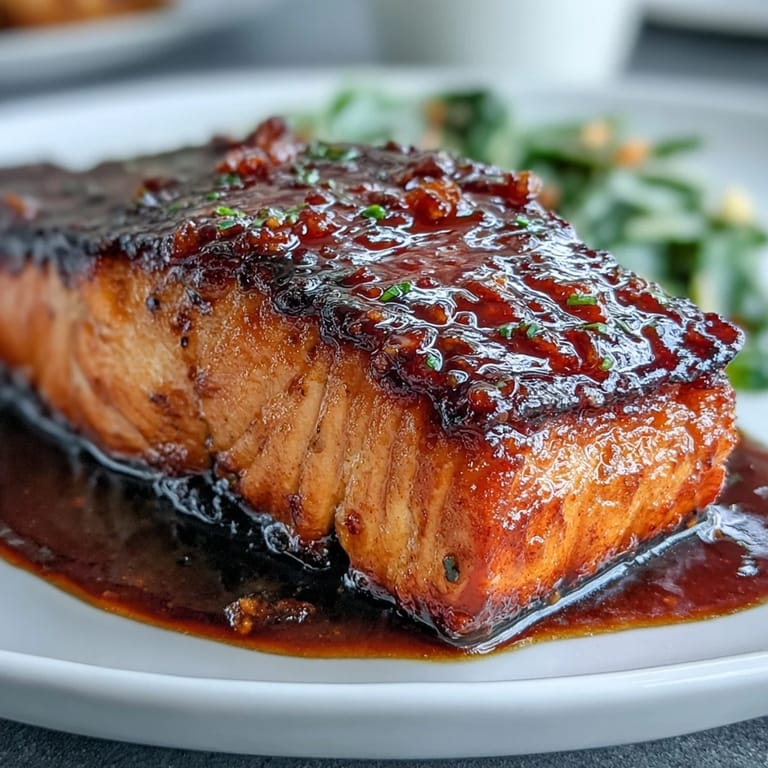
I learned the hard way that oven temperature consistency is crucial here, because even a ten-degree difference changes how the glaze caramelizes. If your oven runs hot or cold, the first time you make this you might want to check it at the eight-minute mark instead of waiting for the full ten to twelve minutes. The salmon should look almost lacquered on top, not dry or pale, and that only happens when the glaze has time to caramelize without the fish overcooking underneath.
Making It Your Own
The beauty of this recipe is that it's forgiving enough to adapt to what you have on hand and what your palate loves. If white miso feels unfamiliar, red miso will work too, just expect deeper, more robust flavors that might require slightly less of it. Think of this as a starting point for your own kitchen experiments rather than a rigid instruction.
- Sprinkle toasted sesame seeds or thinly sliced scallions over the finished dish for textural contrast and visual drama.
- Serve alongside steamed rice or quinoa if you want something more substantial than just the salmon and spinach.
- A crisp white wine like Sauvignon Blanc or even a light lager pairs beautifully with the umami and ginger forward flavors.
 Pin It
 This is the kind of meal that feels like you spent hours in the kitchen but took barely any time at all, and that balance is what keeps me coming back to it over and over. Every time I make it, I'm reminded that the best recipes aren't the ones with the longest ingredient lists, they're the ones where every single element has a purpose.
Questions & Answers
- → Can I use frozen salmon for this?
Yes, thaw frozen salmon completely in the refrigerator overnight before patting dry and applying the glaze. Avoid quick thawing methods as they can affect texture.
- → What type of miso works best?
White miso (shiro miso) offers the mildest, sweetest flavor that pairs beautifully with salmon. Red miso will be stronger and more intense, so reduce the amount if substituting.
- → Can I make this gluten-free?
Use tamari instead of regular soy sauce and verify your miso paste is gluten-free. Most white miso is naturally gluten-free, but always check labels to be certain.
- → How do I know when the salmon is done?
The salmon is ready when it flakes easily with a fork and the internal temperature reaches 145°F (63°C). The glaze should be lightly caramelized and golden brown on top.
- → Can I cook the salmon on the stovetop instead?
Pan-sear the salmon in a hot skillet for 3-4 minutes per side, brushing with glaze during the last minute of cooking. The glaze will caramelize beautifully over direct heat.
- → What sides complement this dish?
Steamed jasmine rice, cauliflower rice, or quinoa soak up the flavorful juices. Roasted vegetables like bok choy or asparagus also pair nicely with the Asian-inspired flavors.