 Pin It
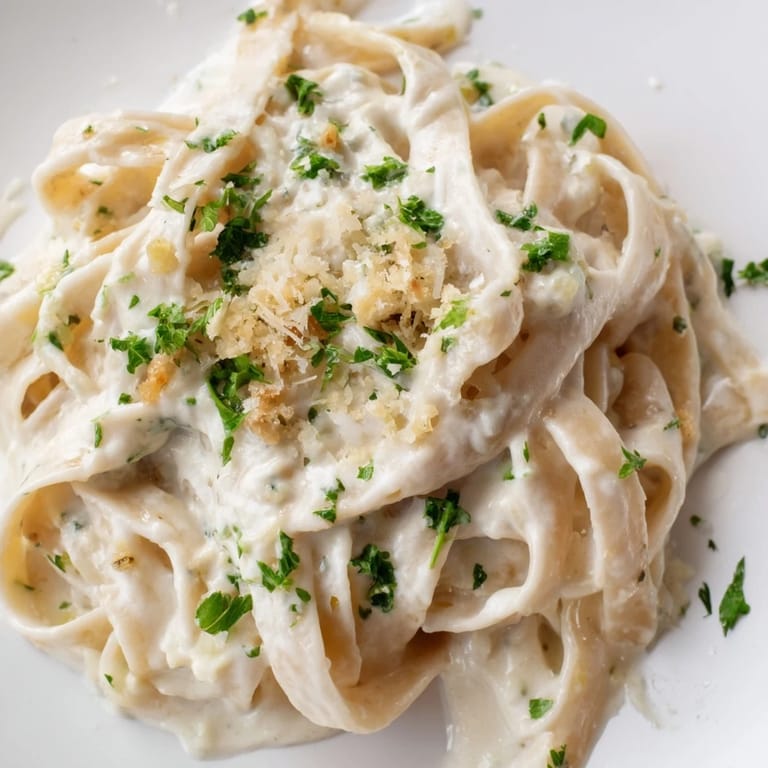
 My blender made a noise I'd never heard before when I first tried pureeing roasted cauliflower for sauce. It was a low, confident hum, and when I lifted the lid, the sauce was so silky I thought I'd accidentally added cream. I hadn't. Just roasted cauliflower, garlic, a splash of milk, and suddenly I understood why everyone was sneaking vegetables into pasta. This wasn't a compromise or a diet trick. It was genuinely good.
I made this for my neighbor who swore she hated cauliflower. She ate two bowls and asked for the recipe before she left. I didn't tell her what was in it until after. Her face went from suspicious to impressed in about three seconds, and now she brings me farmer's market cauliflower every few weeks like it's some kind of peace offering.
Ingredients
- Cauliflower (1 medium head, cut into florets): Roasting transforms it from bland to sweet and caramelized, which is the backbone of this sauce, so don't skip the golden edges.
- Garlic (3 cloves, peeled): Roasting mellows the sharpness into something buttery and mild, so you can use the whole cloves without fear.
- Whole milk (1 cup / 240 ml): This loosens the sauce and adds body without making it heavy, and you can thin it further with pasta water if you like it silkier.
- Parmesan cheese (1/2 cup / 50 g, grated): Use the real stuff, freshly grated, because pre-shredded doesn't melt the same way and the sauce won't be as smooth.
- Unsalted butter (2 tablespoons / 30 g): One tablespoon coats the cauliflower for roasting, the other goes into the sauce for richness and gloss.
- Fettuccine or pasta of choice (12 oz / 340 g): Fettuccine is classic, but I've used penne, rigatoni, even spaghetti, and they all work beautifully.
- Ground nutmeg (1/4 teaspoon): Just a whisper of it adds warmth and makes people wonder what the secret is.
- Salt (1/2 teaspoon, plus more to taste): Taste the sauce before you toss the pasta, because Parmesan is salty and you might need less than you think.
- Black pepper (1/4 teaspoon): Freshly cracked is better, and I always add a little extra at the table.
- Fresh parsley and extra Parmesan (optional, for garnish): A handful of parsley makes it look like you tried, and more cheese never hurt anyone.
Tired of Takeout? 🥡
Get 10 meals you can make faster than delivery arrives. Seriously.
One email. No spam. Unsubscribe anytime.
Instructions
- Get the oven ready:
- Preheat your oven to 425°F (220°C) and line a baking sheet with parchment paper so nothing sticks and cleanup is easy. This high heat is what gives the cauliflower those sweet, caramelized edges.
- Prep the cauliflower:
- Toss the cauliflower florets and peeled garlic cloves with 1 tablespoon of butter, then spread them out in a single layer on the baking sheet. If they're crowded, they'll steam instead of roast, and you'll miss out on the flavor.
- Roast until golden:
- Slide the pan into the oven and roast for 25 to 30 minutes, stirring halfway through so everything browns evenly. The cauliflower should be fork-tender and deeply golden in spots.
- Cook the pasta:
- While the cauliflower roasts, bring a large pot of well-salted water to a boil and cook your pasta according to the package directions. Before you drain it, scoop out a cup of the starchy pasta water and set it aside.
- Blend the sauce:
- Add the roasted cauliflower, garlic, remaining butter, milk, Parmesan, nutmeg, salt, and pepper to a blender. Blend on high until the sauce is completely smooth and creamy, adding a splash of pasta water if it's too thick.
- Warm and toss:
- Pour the sauce into a large skillet over medium heat and let it warm through until it just starts to simmer. Add the drained pasta and toss everything together, adding more pasta water if you want it saucier.
- Serve it up:
- Divide the pasta among bowls and top with a sprinkle of parsley and extra Parmesan. Serve it hot, and watch people go quiet for the first few bites.
 Pin It
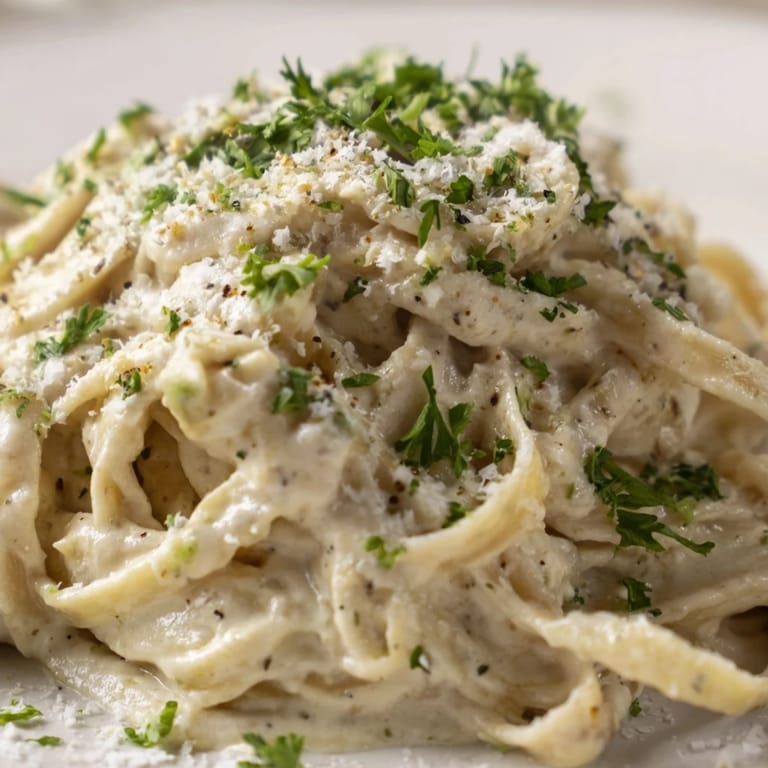
 This became my go-to for nights when I wanted something comforting but not coma-inducing. My husband started requesting it by name, and my kids stopped asking what was for dinner and just started setting the table when they smelled garlic roasting. It's the kind of dish that makes a regular weeknight feel a little special without any extra effort.
Making It Ahead
The sauce keeps beautifully in the fridge for up to three days, and I've reheated it gently on the stove with a splash of milk to bring it back to life. I don't recommend freezing it because the texture can break, but if you roast extra cauliflower, you can freeze that and blend a fresh batch of sauce anytime. Cook the pasta fresh when you're ready to eat, because leftover pasta never has the same bite.
Flavor Twists
A squeeze of lemon juice at the end brightens the whole thing and cuts through the richness in a way that makes you want another bite. I've also stirred in a handful of baby spinach or peas right before serving, which wilts into the sauce and makes me feel like I'm winning at vegetables. If you want a little heat, a pinch of red pepper flakes in the blender adds a gentle warmth without overpowering the creaminess.
Serving Suggestions
This pairs perfectly with a simple side salad dressed in lemon vinaigrette, or a crusty piece of garlic bread for soaking up any extra sauce. I've served it alongside roasted chicken thighs and it felt like a full Italian dinner without the fuss. Sometimes I just eat it straight from the skillet with a fork, standing at the stove, and that's a perfectly valid dinner too.
- Use any pasta shape you have on hand, because the sauce coats everything beautifully.
- If you don't have a high-speed blender, a food processor works, but you might need to add a bit more liquid to get it smooth.
- Taste and adjust the salt at the end, especially if your Parmesan is particularly salty.
 Pin It
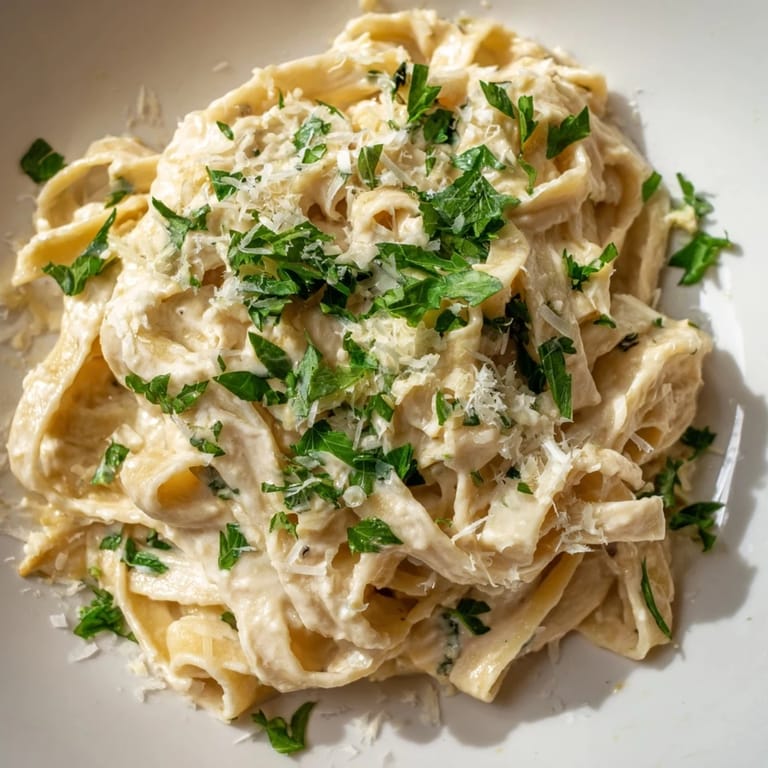
 This recipe taught me that comfort food doesn't have to be heavy to be satisfying. It's become one of those dishes I make without thinking, and every time, it feels like a small win.
Questions & Answers
- → Can I make this sauce ahead of time?
Yes, prepare the sauce through step 5 and refrigerate for up to 2 days. Reheat gently in a skillet with a splash of milk, then toss with fresh hot pasta.
- → What pasta works best with this sauce?
Fettuccine is traditional, but pappardelle, linguine, or even penne work wonderfully. Choose wider noodles to hold the creamy sauce better.
- → How do I achieve the perfect sauce consistency?
The reserved pasta water is your secret. Add it gradually to the blended mixture until you reach desired thickness. The sauce should coat pasta without being too thick.
- → Is this recipe suitable for dairy-free diets?
Absolutely. Substitute whole milk with unsweetened plant-based alternatives, use dairy-free butter, and replace Parmesan with nutritional yeast or cashew-based cheese.
- → What can I add to enhance the flavor?
A squeeze of fresh lemon juice brightens the sauce beautifully. Fresh herbs like thyme or sage add depth, and a pinch of white pepper enhances the nutmeg notes.
- → Can I freeze portions of this dish?
The sauce freezes well for up to 3 months in an airtight container. Freeze separately from pasta for best results. Thaw overnight and reheat gently before serving.