 Pin It
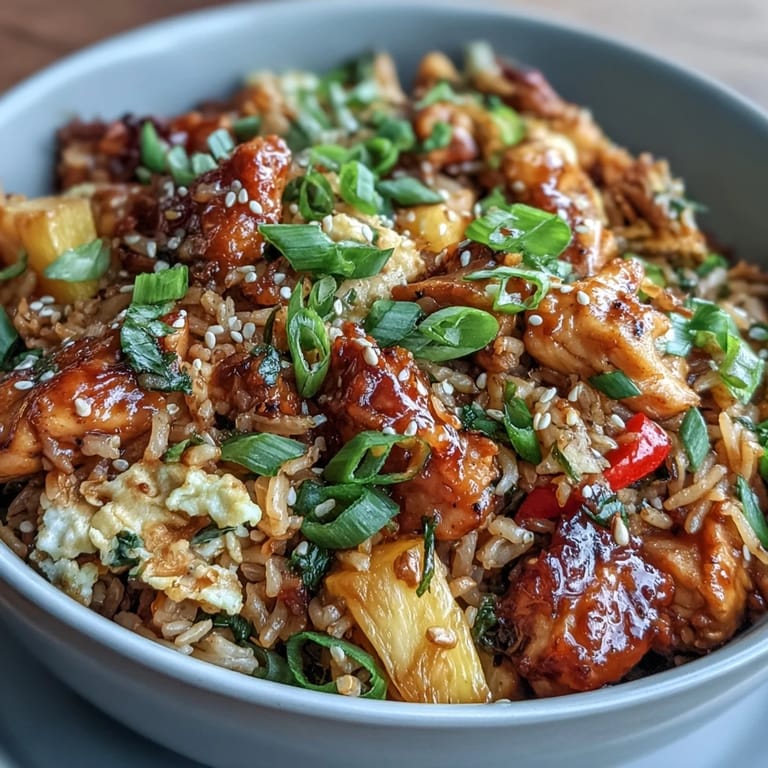
 My neighbor showed up one afternoon with a bag of fresh pineapples from a farmers market, and I had no idea what to do with them beyond making a smoothie. That evening, watching her dice the fruit while telling me about a trip to Thailand, something clicked—why not put it in fried rice? The combination felt risky at first, but one bite of that sweet, savory, tangy bowl changed everything. Now whenever I smell garlic hitting hot oil, I think of that spontaneous cooking session and how the best meals sometimes start with someone else's enthusiasm.
I made this for a small dinner party once, and my friend who usually skips rice-based dishes came back for seconds, which never happens. She kept asking what made it taste so different, and honestly, it's the interplay between the sweet sauce and the brightness of the pineapple hitting your palate all at once. That's when I realized this wasn't just fusion food—it was actually memorable.
Ingredients
- Boneless, skinless chicken breasts: Dicing them into bite-sized pieces ensures they cook fast and stay tender, especially when you marinate them first with that cornstarch trick.
- Day-old jasmine rice: Cold rice is your secret weapon here because it won't turn mushy and clump together when you stir-fry it.
- Fresh pineapple: Cut it yourself if you can—the juice on your hands and the sweetness you taste while prepping sets the mood for what's coming.
- Red bell pepper: The color matters as much as the flavor, giving you that vibrant look that makes people want to eat it immediately.
- Frozen peas: They thaw perfectly in the heat of the wok and add a pop of texture without requiring any extra prep work.
- Green onions: Slice them last and add them near the end so they stay bright and don't lose their sharpness to the heat.
- Garlic and carrot: These aromatics build the foundation—the garlic perfumes the oil before everything else goes in, and the carrot adds subtle sweetness.
- Sweet chili sauce: This is the star player, so choose one you actually like tasting straight from the spoon.
- Soy sauce and sesame oil: Together they deepen everything without overwhelming the fruity notes you worked to create.
- Fish sauce: Optional but transformative if you use it—just a teaspoon adds umami depth that makes people wonder what the secret ingredient is.
- Eggs: They scramble into the rice and create little pockets of richness that break up the texture.
- Roasted cashews or peanuts: A handful scattered on top adds crunch and catches on your teeth in the best way possible.
- Fresh cilantro and lime: These finish the dish with brightness and cut through the richness so each bite feels fresh.
Tired of Takeout? 🥡
Get 10 meals you can make faster than delivery arrives. Seriously.
One email. No spam. Unsubscribe anytime.
Instructions
- Prep your chicken:
- Toss your diced chicken with soy sauce, cornstarch, and black pepper, then let it sit for 10 minutes. The cornstarch helps it stay juicy during the quick cooking process, and the soy sauce starts the seasoning from the inside out.
- Sear the chicken:
- Heat a tablespoon of oil in your wok over medium-high heat until it shimmers, then add the chicken and don't move it around for the first minute—let it get golden. Stir-fry for another 3 to 4 minutes until it's cooked through, then pull it out onto a plate.
- Soften the vegetables:
- Add your remaining oil to the same wok and let it heat for a few seconds, then add garlic, carrot, and bell pepper. You want them tender but still with a little resistance when you bite down, which takes about 2 to 3 minutes of constant motion.
- Scramble the eggs:
- Push your vegetables to one side of the wok and pour in the beaten eggs, letting them sit undisturbed for about 30 seconds until they set slightly. Then break them into pieces and fold them into the vegetables—they'll finish cooking as you stir.
- Toast the rice:
- Add your cold rice and break up any clumps with the back of your spoon, stirring constantly for about 2 minutes until each grain is separated and heated through. You'll hear the rice hitting the pan and feel the resistance change as it warms up.
- Bring everything together:
- Return the cooked chicken to the wok along with the pineapple, peas, and green onions, stirring to distribute everything evenly. Whisk together your sauce ingredients in a small bowl and pour it over the rice, then toss everything until the sauce coats every grain and the pineapple releases a little of its juice into the mix.
- Finish and serve:
- Remove from heat and taste it—adjust the sweetness, heat, or saltiness however you want. Garnish generously with nuts, cilantro, and lime wedges, and serve immediately while the rice still has some warmth to it.
 Pin It
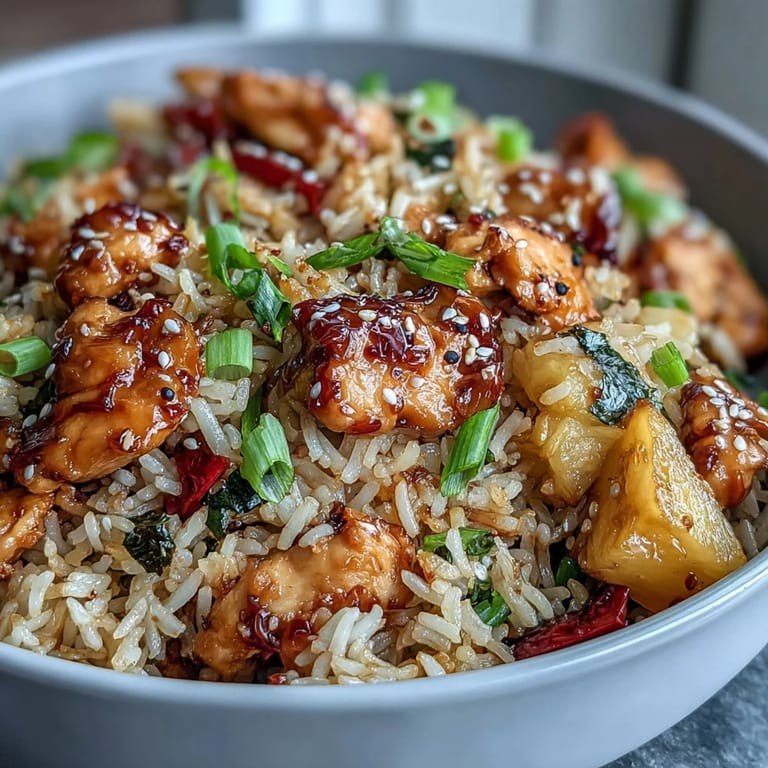
 There's something almost meditative about the sound of ingredients hitting a hot wok in sequence—the garlic crackles, the vegetables hit with a hiss, and suddenly your kitchen smells like a restaurant. My partner used to tease me about how I'd stand there just listening to it cook, but I think that's when the food actually starts tasting better.
Why Cold Rice Changes Everything
The texture difference between warm rice and cold rice is legitimately shocking once you notice it. Warm rice is still releasing steam and moisture, which makes it cling to itself and turn into a paste instead of individual grains. Cold rice from the fridge has already set, so when it hits the hot wok, it dries out slightly and stays separate—that's how you get that restaurant-quality fried rice that actually feels like fried rice instead of rice soup.
Building Flavor in Layers
This dish works because you're not dumping everything in at once and hoping it tastes good. You cook the chicken, then the vegetables, then the eggs, then the rice, and finally the sauce—each step adds its own flavor, and by the time you finish, you've built something complex from simple parts. The sweet chili sauce ties it all together, but it's not doing the heavy lifting alone.
The Final Touches That Matter Most
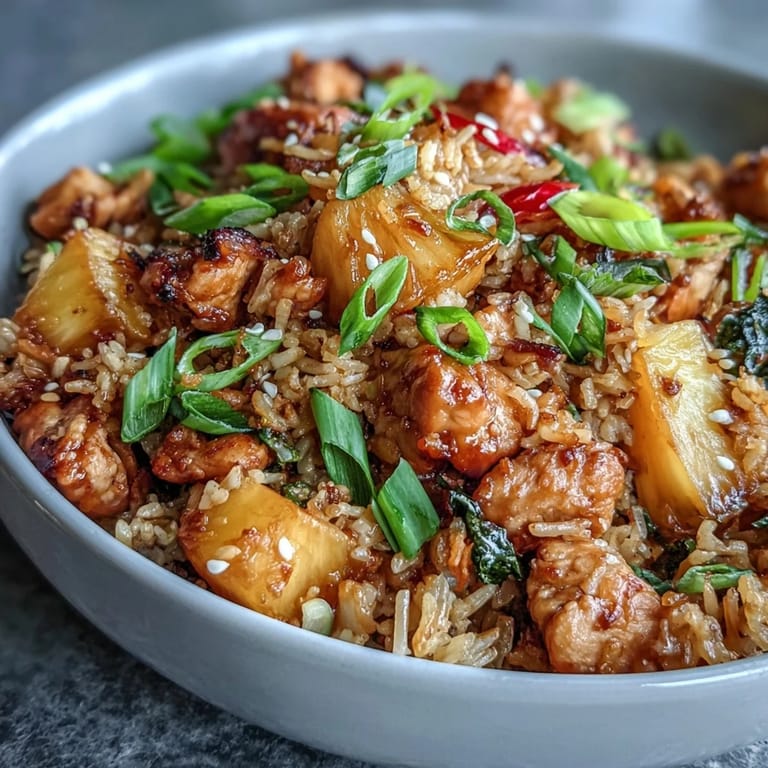
I used to skip the garnish step because it felt unnecessary, but then I realized that's where the dish actually comes alive. The crunch of the nuts, the freshness of the cilantro, the brightness of the lime—they're not decoration, they're essential to how the food tastes and feels in your mouth. A squeeze of lime wedge over each bite transforms it from good to memorable.
- Toast your own nuts if you have the time, because the warmth and fragrance makes them taste better than store-bought.
- Don't chop the cilantro too early—if it sits around, it bruises and loses its punch, so do it right before serving.
- Serve the lime wedges on the side so people can adjust the tartness to their own taste.
 Pin It
 This recipe reminds me that fusion food doesn't have to be complicated or pretentious—sometimes it's just about following your instinct and throwing things together that make sense. The best meals come from a place of curiosity and willingness to try something unexpected.
Questions & Answers
- → Can I substitute the chicken for a vegetarian option?
Yes, tofu makes an excellent substitute. Omit fish sauce and increase soy sauce to maintain flavor depth.
- → What type of rice works best for this dish?
Day-old jasmine rice works best as it prevents clumping and absorbs flavors evenly during stir-frying.
- → How spicy is the sweet chili sauce in this preparation?
The sauce provides a mild to moderate sweetness with a gentle kick; adjust the amount to suit your preferred heat level.
- → Can I prepare this dish ahead of time?
Yes, it stores well in the refrigerator for up to 2 days. Reheat gently to maintain texture and flavor.
- → What garnishes enhance the dish's flavors?
Roasted cashews or peanuts add crunch, fresh cilantro brings brightness, and lime wedges add a zesty finish.
- → Is fish sauce necessary for the authentic taste?
Fish sauce adds umami depth but is optional; omit for dietary preferences without losing overall balance.