 Pin It
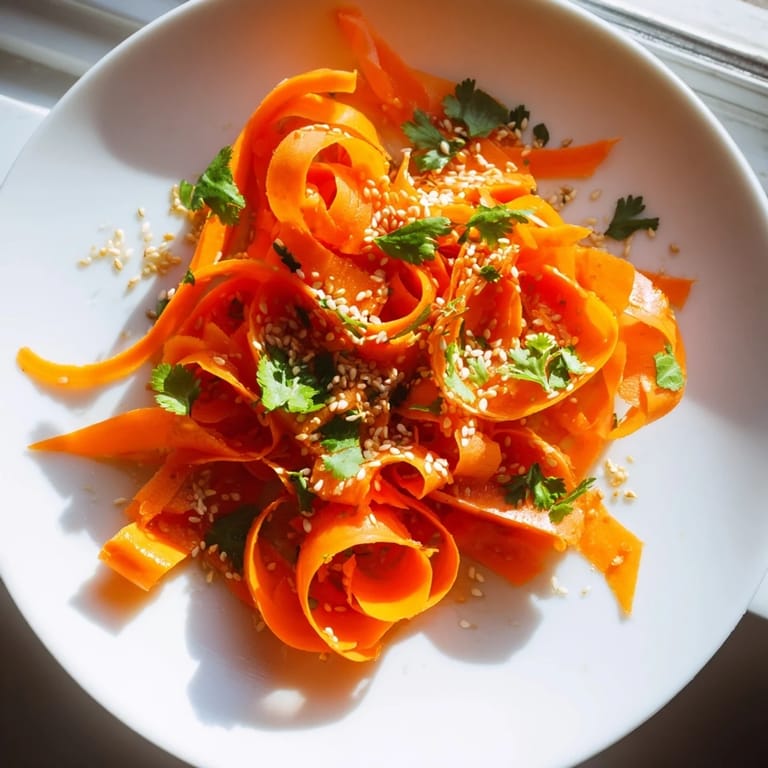
 My neighbor Marcus brought this salad to a summer potluck, and I watched people go back for thirds without touching anything else on the table. When I finally asked for the recipe, he laughed and said it was just carrots and a dressing he threw together one afternoon when his fridge felt empty. That simplicity stuck with me, because somehow spiralized carrots dressed in soy and sesame oil tasted nothing like a quick fix—it felt intentional, alive, almost like eating something that had been carefully thought through.
I made this for my daughter's lunch box phase when she decided she was bored with regular salads, and she actually asked for it three days in a row. Watching her eat vegetables without complaint felt like a small victory, but the real win was realizing how much the toasted sesame seeds mattered—that little bit of heat and crunch changed everything about what the salad could be.
Ingredients
- 4 large carrots, peeled and spiralized or cut into ribbons: Choose carrots that are thick and straight, because they ribbon more gracefully and hold up better when tossed with dressing without turning mushy.
- 2 green onions, thinly sliced: They add a gentle sharpness that keeps the salad from feeling one-note, and slicing them thin means they distribute evenly throughout.
- 1 small red chili, finely sliced (optional): If you like heat, slice it thin and add it directly to the salad, but taste as you go because the spice builds over time.
- 2 tablespoons soy sauce: Use tamari if you need gluten-free, and choose a quality brand because it's the backbone of what makes this dressing actually taste like something.
- 1 tablespoon rice vinegar: It brightens everything without overpowering, which is harder to achieve than it sounds with acid.
- 1 tablespoon toasted sesame oil: Buy the real stuff from the Asian section of your market—regular sesame oil tastes thin and forgettable by comparison.
- 1 tablespoon lime juice: Fresh is non-negotiable here, and if you have time, roll the lime on the counter before cutting it to get more juice out.
- 1 teaspoon honey or maple syrup: Just enough sweetness to balance the salt and acid, though you can skip this if you prefer dressing on the drier side.
- 1 garlic clove, minced: One clove is enough; too much will turn this into a different salad altogether, and you'll taste only that.
- 1 teaspoon fresh ginger, grated: Grate it directly over the dressing bowl so you catch all the juice, and the warmth from fresh ginger makes a difference you'll feel on your tongue.
- 2 tablespoons toasted sesame seeds: Toast your own if you have time—they'll taste nuttier and less like they've been sitting in a jar for months.
- 2 tablespoons chopped fresh cilantro: Some people hate it, some people love it, so taste your own salad first before deciding if this belongs in yours.
Tired of Takeout? 🥡
Get 10 meals you can make faster than delivery arrives. Seriously.
One email. No spam. Unsubscribe anytime.
Instructions
- Spiralize or ribbon your carrots:
- If you have a spiralizer, use it and watch how satisfying it is to turn a whole carrot into neat coils. If you're using a vegetable peeler, work slowly and let the ribbon fall into the bowl naturally—they'll be thinner and silkier than you'd expect.
- Gather your vegetables:
- Put the ribboned carrots in your biggest mixing bowl, scatter the green onions over them, and add the chili if you're using it. The bowl should feel loose and open, not crowded, so the dressing can find every piece.
- Build the dressing:
- In a small bowl, start with your soy sauce and rice vinegar, then add sesame oil in a thin stream while whisking—this helps it emulsify instead of separating. Add lime juice, honey, garlic, and ginger last, tasting as you go because this is where you can adjust things to your mood.
- Toss everything together:
- Pour the dressing over the carrots gently and turn everything with your hands or two spoons until every ribbon has a light coating. Don't be aggressive about it or you'll bruise the carrots; let them sit with the dressing like they're getting to know each other.
- Wait for the magic:
- Five to ten minutes seems like nothing, but this is when the carrot releases a little water and the dressing becomes part of the salad instead of just sitting on top of it. Use this time to set the table or pour a drink.
- Finish and serve:
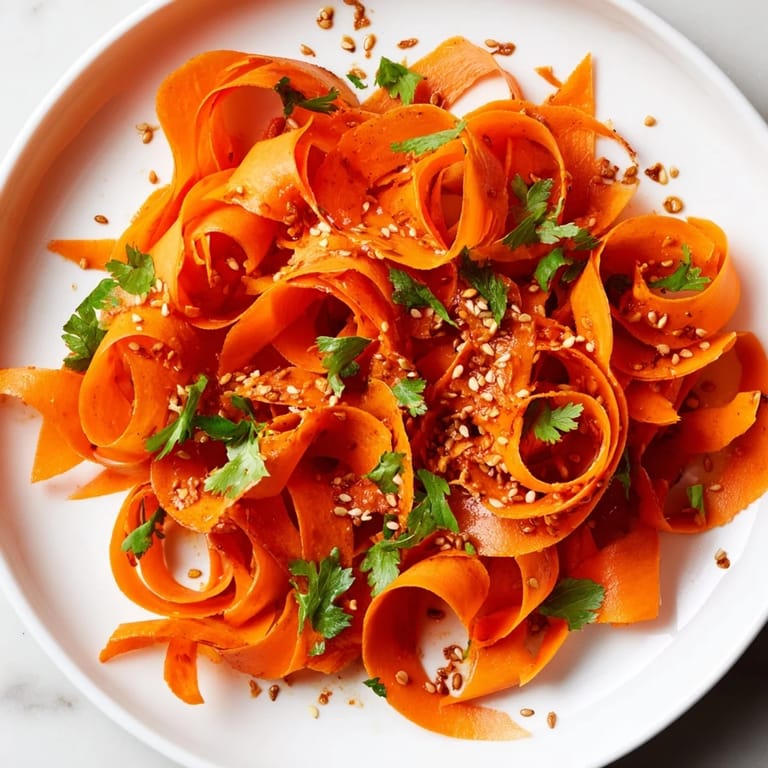
- Transfer to a serving platter, sprinkle with sesame seeds and cilantro right before eating, and watch how people's faces change when they take the first bite. The salad stays good chilled for up to an hour, which means you can make it ahead without worrying.
 Pin It
 There's something about serving this salad to someone who thinks they don't like vegetables that changes the whole conversation—I've watched people discover carrots taste like something good instead of just something healthy. That shift from obligation to actual enjoyment is what keeps me making this salad over and over.
When to Serve This Salad
This salad works as a side dish alongside grilled chicken or fish, but it's also light enough to be an appetizer on its own, especially when you're cooking for people who prefer eating vegetables at the beginning of a meal. I've even packed it in containers for picnics where it actually improves by the time you eat it, because the flavors have more time to settle into the carrots. In summer, serve it cold; in winter, you could let it come to room temperature and it would still be good.
Variations That Actually Work
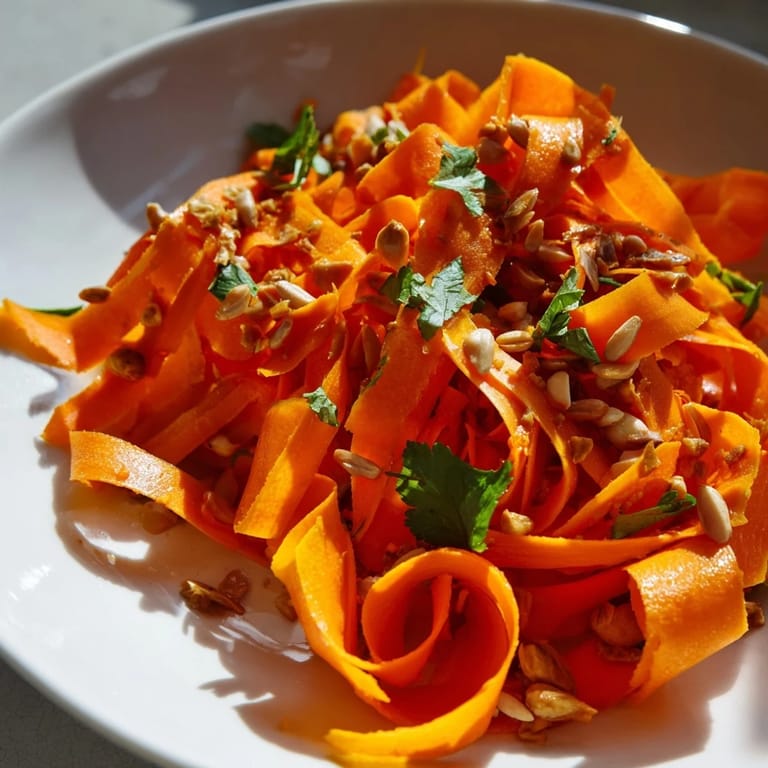
The beauty of this salad is that it's flexible enough to adapt without losing its soul—I've added thinly sliced cucumber for extra crunch, julienned bell peppers for sweetness, and even thin strips of raw beet when I wanted the salad to look more dramatic. Some friends add a handful of crushed peanuts at the end or swap cilantro for basil if that's what they love. The core dressing stays the same, so you're really just adding texture and color to something that already works.
Storage and Make-Ahead Tips
You can spiralize your carrots hours ahead and keep them in a sealed container in the fridge—they won't turn brown or get weird if you don't dress them. Make the dressing in the morning and let it sit in a jar; it actually tastes better after a few hours because the garlic and ginger have time to flavor the oil and vinegar. The only thing you should do at the last minute is add the sesame seeds and cilantro, because they'll lose their snap if they sit in dressing too long.
- Store spiralized carrots in an airtight container for up to two days without browning or getting soggy.
- Make the dressing up to a day ahead and shake it well before using, since the sesame oil will separate as it sits.
- Keep sesame seeds and cilantro separate, then add them right before serving so they stay crisp and bright.
 Pin It
 This salad taught me that sometimes the most delicious food is the simplest one, as long as every ingredient gets chosen with intention. Make it once, then make it your own way.
Questions & Answers
- → Can I make this ahead of time?
Yes, you can prepare this salad up to 1 hour before serving. The marinating time actually enhances the flavors as the carrots absorb the dressing. Store in an airtight container in the refrigerator until ready to serve.
- → What's the best way to spiralize carrots?
Use a vegetable spiralizer for thin, uniform noodles, or a vegetable peeler to create ribbon-like strips. Both methods work well. Peel carrots first and ensure they're firm. If carrots are too soft, they may break during spiralizing.
- → How can I adjust the heat level?
The red chili is optional and easily customizable. Start with half a chili and taste before adding more. For milder heat, remove the chili seeds before slicing. For spicier versions, use Thai bird's eye chilies or add chili flakes to the dressing.
- → Is this salad gluten-free?
Standard soy sauce contains gluten. To keep this salad gluten-free, use tamari or certified gluten-free soy sauce instead. Always check all packaged ingredients for potential cross-contamination if you have celiac disease or gluten sensitivity.
- → What proteins pair well with this salad?
This salad complements grilled chicken, tofu, fish, or shrimp beautifully. For a complete vegan meal, add crispy tofu or chickpeas. It also works as a fresh side to Asian noodle dishes or grain bowls.
- → Can I substitute the sesame oil?
Toasted sesame oil has a distinctive nutty flavor that's central to this dish's character. If unavailable, use a small amount of regular sesame oil or substitute with peanut oil, though the flavor profile will differ. Avoid vegetable oil as it lacks the aromatic quality needed.