 Pin It
 My first Turkish cheese board came together almost by accident on a summer afternoon when my neighbor Zeynep stopped by with a paper bag of olives from her family's supplier. She set them on my counter, and within an hour, we'd gathered cheese, honey, and warm pita, creating something so effortlessly beautiful that I realized this wasn't really a recipe—it was an invitation to slow down. Now whenever I make it, I think of how she taught me that the best platters aren't about perfection, they're about permission to linger.
I learned something unexpected when I served this at a small dinner party last spring—it's one of those rare dishes that doesn't pretend to be something it isn't. My guests relaxed immediately, and instead of formal courses, we spent two hours passing olives and cheese, arguing playfully about which olive was better. There was something deeply Turkish about that, I think: simplicity that opens doors.
Ingredients
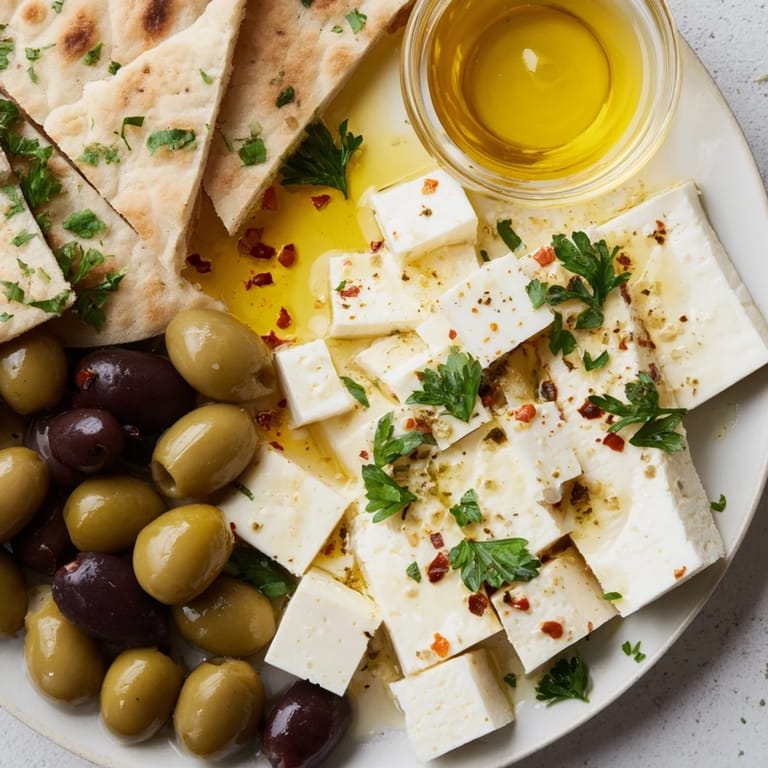
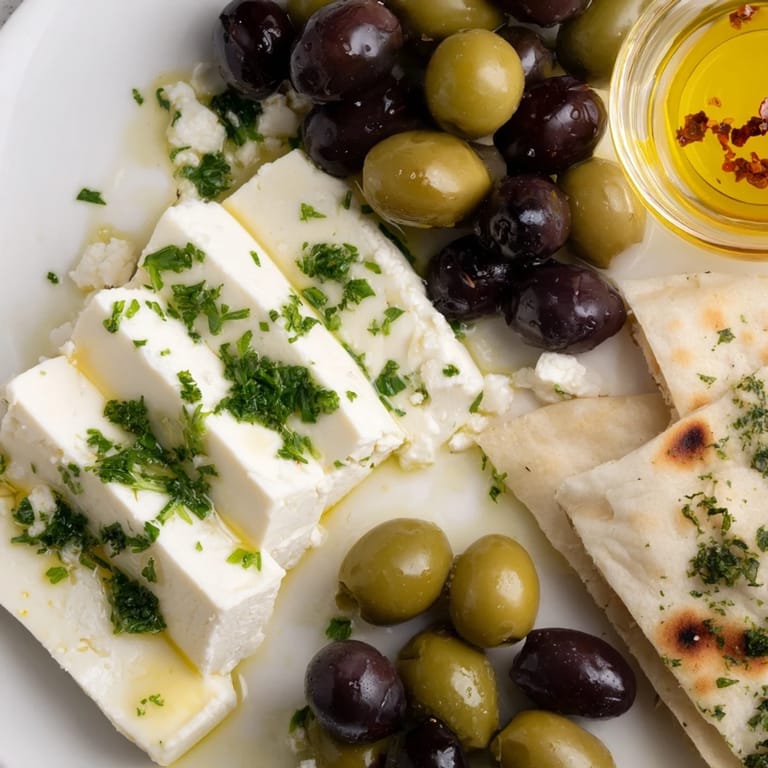
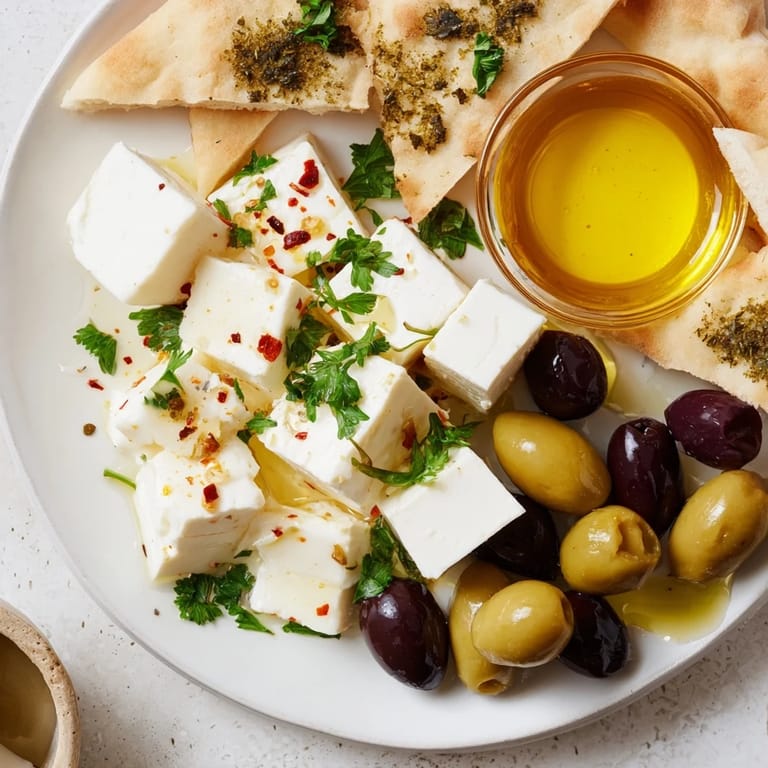
- Feta cheese, cubed (100 g): The sharp, crumbly foundation—look for feta packed in brine rather than oil, as it stays firmer and has a cleaner tang.
- Beyaz peynir, sliced (100 g): This mild white cheese is softer and sweeter than feta, creating a gentle contrast; if you can't find it, a creamy mozzarella works surprisingly well.
- Brined green olives (100 g): Choose ones with a firm bite and that grassy flavor, not the ones that taste like pure salt.
- Brined black olives (100 g): These add earthiness and a softer texture; the combination of green and black tells the story of harvest time.
- Honey (4 tbsp): Warm it slightly before serving so it flows like silk and bridges the gap between salty and sweet in ways your mouth won't forget.
- Warm pita bread (2–3 pieces): Toast it just before assembling so it's still giving off steam and flexible enough to fold without cracking.
- Fresh dill or parsley (1 tbsp, optional): A small handful of herbs is all you need; the green brings life to the board.
- Extra virgin olive oil (1 tbsp, optional): A final drizzle connects everything back to the source—the orchard.
- Crushed red pepper flakes (pinch, optional): Just enough to make people's eyes widen slightly when they hit a pocket of heat.
Tired of Takeout? 🥡
Get 10 meals you can make faster than delivery arrives. Seriously.
One email. No spam. Unsubscribe anytime.
Instructions
- Set the stage:
- Start with a large board or platter, something with enough white space to breathe. Arrange your feta cubes and beyaz peynir slices with intention—not scattered randomly, but with little pockets of air between them that invite the eye to wander.
- Welcome the olives:
- Divide your green and black olives into small bowls, or scatter them directly onto the board in little clusters. Let each color pool in its own area so people can choose their mood.
- The honey moment:
- Pour your honey into a small bowl and nestle it among the cheeses, or drizzle it directly over one corner of the board. The warmth matters here—cold honey sits; warm honey flows and mingles.
- Toast and arrange the bread:
- Warm your pita in a dry skillet over medium heat for about a minute per side until it's pliable and warm enough to smell. Cut into wedges and lean them against the cheeses like they're listening to the board's quiet conversation.
- The finishing touch:
- Just before serving, scatter fresh herbs across the entire arrangement, drizzle with olive oil if using, and dust with red pepper flakes in a few strategic spots. Step back and look at it—this is your masterpiece.
- Invite the gathering:
- Set it in the center of the table and let people build their own bites, mixing flavors as they please. Watch how quickly the board becomes a focal point for conversation.
 Pin It
 There was an evening when my mother watched me assemble one of these boards, and she said something I've never forgotten: "This is how people remember being happy." It wasn't about the ingredients at all—it was about creating a moment where everyone at the table felt like they belonged. That's when I understood that this simple board is actually a small act of hospitality.
The Ritual of Brined Olives
Turkish olives aren't just a garnish; they're a reflection of centuries of tradition. Brining is an ancient craft, a way of preserving the olive at its peak while developing flavors that deepen over time. When you taste an olive from a properly brined batch, you're tasting intention and patience, not just salt. The green ones snap with acidity and slight bitterness, while the black ones offer a mellow earthiness. Together on one board, they tell the story of how flavor develops and changes depending on when you decide to harvest.
Why Room Temperature Matters
I spent months thinking temperature didn't matter until I served this board straight from the refrigerator and felt the disappointment ripple through the room. The cheese tasted sharp and crumbly instead of creamy, the honey wouldn't flow, and the olives felt lifeless. Now I pull everything out about thirty minutes before guests arrive, and suddenly the flavors soften into each other, the textures become more generous, and the entire experience feels warmer. It's a small technical detail that completely changes how people experience the food.
Building Your Perfect Board
The beauty of this appetizer is how much room it gives you to play. I've added sliced cucumbers for crunch, roasted walnuts for richness, and sun-dried tomatoes for visual drama. Some versions include fresh figs or apricots to echo the honey's sweetness. The core formula—brined cheese, salty olives, sweet honey, warm bread—stays constant, but the variations are endless. Think of this as a starting point, not a prescription, and you'll find yourself inventing new versions for different seasons and moods.
- Try pairing with a crisp white wine like Sauvignon Blanc or a traditional Turkish tea to bridge the flavors.
- Make it ahead by prepping ingredients separately, then assemble just before serving to keep everything fresh and fragrant.
- Offer both regular and herbed olive oils on the side so guests can personalize their bites.
 Pin It
 This board is proof that sometimes the most memorable meals are built from the simplest ingredients and the most generous gestures. Serve it with presence, and it becomes much more than appetizer.
Questions & Answers
- → What types of olives are best for this board?
Brined green and black olives provide a balanced, slightly salty flavor that complements the cheeses well.
- → Can I substitute the beyaz peynir cheese?
Mild Greek feta or mozzarella can be used if beyaz peynir is unavailable, maintaining a creamy texture.
- → How should the pita bread be prepared?
Warm the pita briefly in a skillet or oven, then cut into wedges to enhance softness and aroma.
- → What garnishes enhance this platter?
Fresh dill or parsley, a drizzle of extra virgin olive oil, and crushed red pepper flakes add brightness and a subtle kick.
- → How can I vary the accompaniments?
Adding sliced cucumbers, tomatoes, or walnuts provides extra texture and freshness to the board.