 Pin It
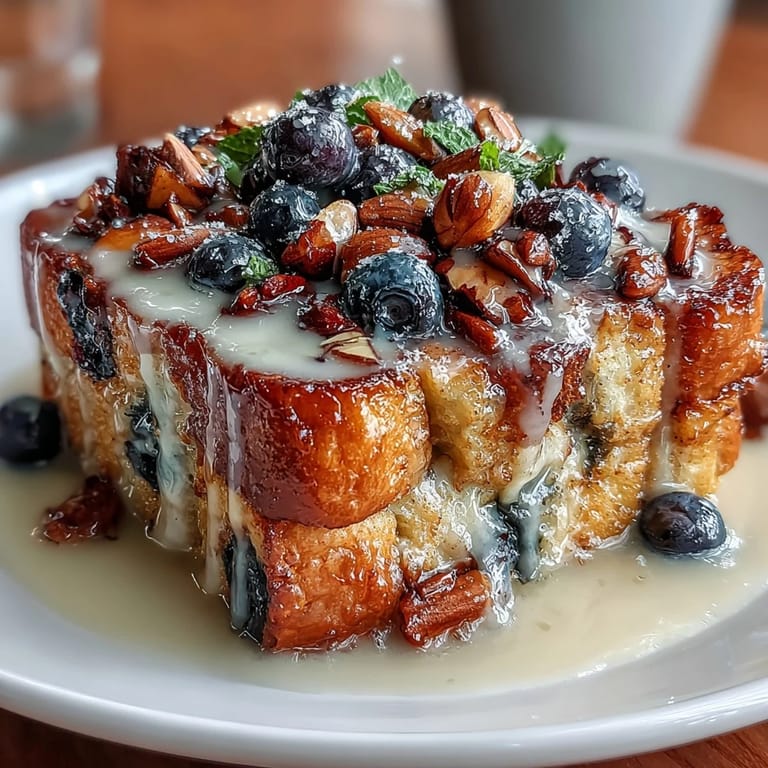
 One Saturday morning, my kitchen filled with the smell of lemon and butter while my niece stood on a stool watching me tear apart a loaf of sourdough. She'd declared she was too old for regular French toast, so I thought, why not make enough for the whole family at once? That casserole turned into something unexpected—layers of tart blueberries and bright lemon against the tangy bread, baked golden until it puffed up like edible clouds. Now it's the dish people request before I even finish greeting them at brunch.
I made this for the first time when my partner's family was visiting during lemon harvest season, and honestly, I was nervous about serving something so unglamorous-looking alongside their famous quiches. But when that casserole came out of the oven and people saw the golden puffiness studded with blueberries, something shifted. The whole table got quiet—the good kind of quiet—and someone asked for seconds before finishing their first bite.
Ingredients
- Sourdough bread, about 400 g, cut into 1-inch cubes: Day-old bread is your secret weapon here because fresh bread will turn to mush; the slight staleness gives it just enough structure to soak up custard without falling apart.
- Fresh blueberries, 2 cups: Frozen berries work perfectly if that's what you have, and they'll bleed their color throughout the custard, creating those stunning pink swirls.
- Lemon zest, from 1 large lemon: The oils in fresh zest are where all the brightness lives; a microplane gets you the finest texture and most intense flavor.
- Large eggs, 6: These are your custard foundation, so room-temperature eggs blend more smoothly and cook more evenly.
- Whole milk, 2 cups: The fat content matters for richness; skim milk will give you a thinner, less luxurious custard.
- Heavy cream, 3/4 cup: This is what transforms custard from decent to decadent, so don't skip it or substitute with half-and-half.
- Granulated sugar, 1/2 cup: This sweetens the custard and helps it set; I've learned the hard way that reducing sugar makes the texture grainy.
- Pure vanilla extract, 2 tsp: Real vanilla makes a difference here because the extract bakes into the custard rather than sitting on top like a garnish.
- Ground cinnamon, 1/2 tsp: A whisper of spice that doesn't announce itself but makes people wonder what the secret ingredient is.
- Fine sea salt, 1/4 tsp: Salt amplifies the lemon and makes the custard taste richer without being salty.
- Lemon juice, from 1 lemon: Fresh juice only; bottled tastes tinny and harsh against the delicate custard.
- Sliced almonds, 1/2 cup (optional): Toasted nuts add a textural contrast and nuttiness that complements lemon beautifully.
- Turbinado or coarse sugar, 2 tbsp (optional): These large crystals don't dissolve during baking, so they stay crunchy on top.
- Powdered sugar for dusting: A light dusting right before serving looks elegant and adds a subtle sweetness.
- Maple syrup or lemon curd for serving: Maple deepens the savory notes while lemon curd doubles down on brightness; choose based on your mood.
Tired of Takeout? 🥡
Get 10 meals you can make faster than delivery arrives. Seriously.
One email. No spam. Unsubscribe anytime.
Instructions
- Prepare your vessel:
- Grease a 9 by 13-inch baking dish thoroughly with butter or nonstick spray so nothing sticks to the edges. I learned this lesson when half my casserole came out attached to the sides.
- Build your layers:
- Scatter half the sourdough cubes across the bottom, then sprinkle half the blueberries and half the lemon zest over them. Repeat with the remaining bread, berries, and zest so the flavors are distributed evenly throughout. The berries should peek out between the bread cubes like little jewels.
- Mix the custard:
- Whisk eggs, milk, cream, sugar, vanilla, cinnamon, salt, and lemon juice together in a large bowl until completely smooth—no streaks of egg white or sugar crystals. This takes about two minutes and feels meditative.
- Soak the bread:
- Pour the custard evenly over everything and gently press down with a spatula so the bread starts absorbing the liquid right away. The bread cubes should be mostly submerged, though some can peek above the surface.
- Let it rest:
- Cover the baking dish and refrigerate for at least 30 minutes, or overnight if you're planning ahead. Overnight soaking creates a more cohesive texture, like bread pudding, while 30 minutes gives you a slightly lighter, more custardy result.
- Prepare for baking:
- Preheat your oven to 350°F while the dish comes partway to room temperature. If using almonds and turbinado sugar, sprinkle them over the top now so they toast gently and don't burn.
- Bake until golden:
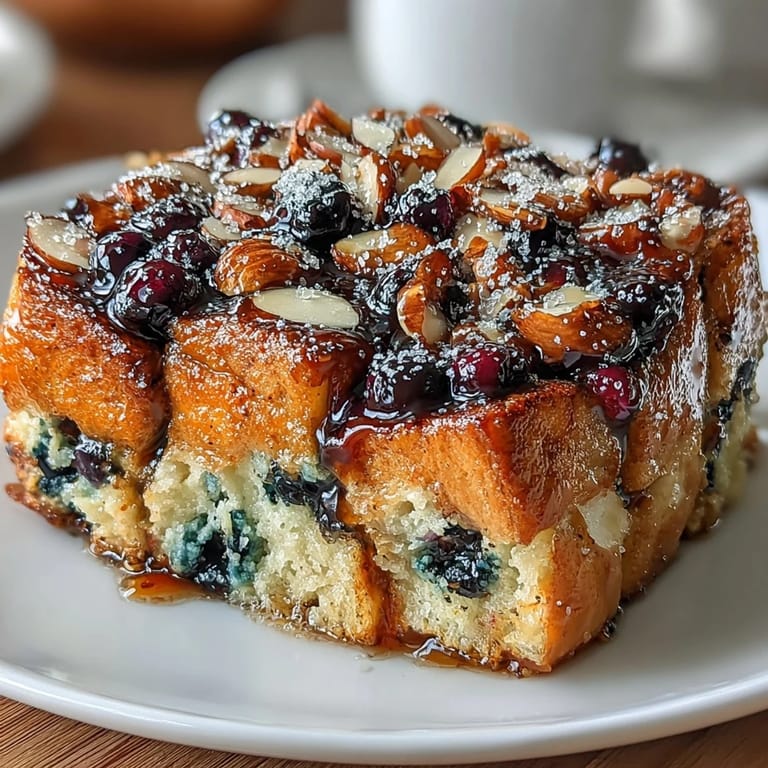
- Bake uncovered for 45 to 50 minutes until the top is puffed and golden brown and the center jiggles just slightly when you gently shake the dish. A toothpick inserted in the center should come out with just a little wet custard clinging to it, not runny custard.
- Rest and finish:
- Let the casserole rest for 10 minutes out of the oven so it sets up enough to cut cleanly without collapsing. Dust generously with powdered sugar and serve warm with maple syrup, lemon curd, or both.
 Pin It
 What strikes me most about this dish is how it transforms a simple breakfast into something that feels like celebration. I served it at my sister's birthday brunch last year, and watching people slow down mid-conversation to taste it, then look up with surprise—that moment is why I cook.
The Magic of Sourdough in Breakfast Casseroles
Regular bread would make this custard-heavy and dense, but sourdough has character—its slight tanginess cuts through the richness of eggs and cream, and its structure holds up under the weight of liquid without becoming a paste. I used to think sourdough was just a trendy bread choice until I understood that the acidity and fermentation actually improve the flavor profile of custards and egg dishes. Once you taste the difference, you can't go back to wondering why casseroles sometimes taste one-note.
Why Overnight Soaking Changes Everything
The first time I made this, I was impatient and skipped straight from mixing to baking with just 20 minutes' rest. The result was edible but separated, with bread on the bottom and custardy egg on top, like they were having an argument about sharing the dish. When I tried again overnight, the bread had fully absorbed the custard, creating a unified texture that was almost creamy while still supporting itself. The overnight version also allows the lemon zest to infuse the entire casserole, so each bite tastes consistent rather than spotty with flavor.
Flavor Pairings That Work Beyond Blueberry
Blueberry and lemon are a perfect pairing, but this casserole is really a template for your mood and what's in season. I've made versions with raspberries and orange zest, blackberries and vanilla, and even sliced fresh peaches with a touch of almond extract. The key is maintaining some tartness to balance the custard's richness and sweetness. Here are some combinations that shine:
- Blackberries with lemon and a pinch of cardamom for something more sophisticated and spiced.
- Mixed berries with orange zest and a splash of Grand Marnier for a French brunch vibe.
- Diced pears with vanilla and a whisper of nutmeg for a less acidic, more autumnal take.
 Pin It
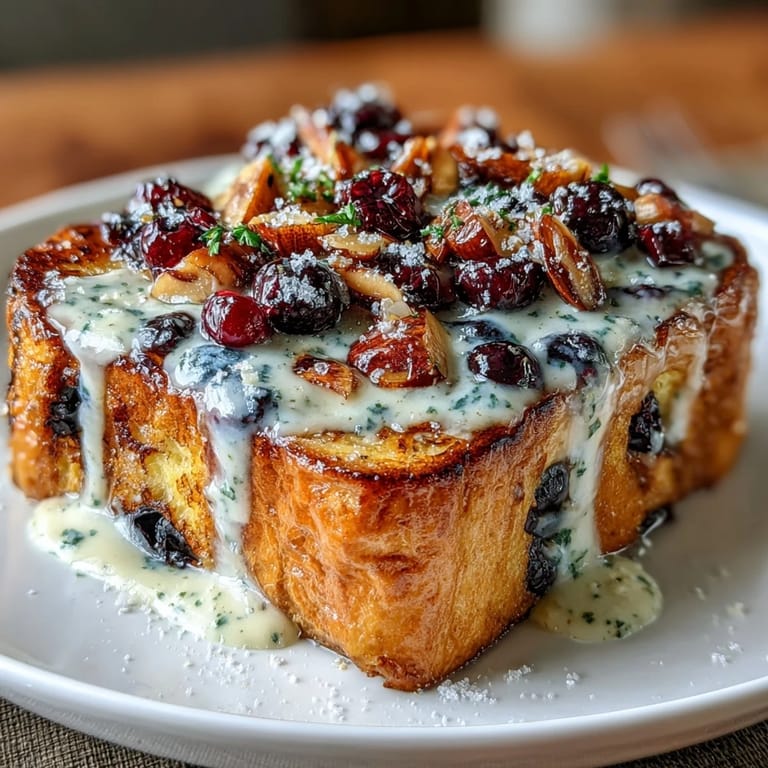
 This casserole has become my answer to the question of what to make when you want to feel like a gracious host without stress. It's the kind of dish that looks like you woke up early and fussed all morning, but really you just mixed a bowl, poured it over bread, and let the oven do the work.
Questions & Answers
- → Can I use frozen blueberries instead of fresh?
Yes, frozen blueberries can be used directly without thawing; they retain their flavor and moisture in the bake.
- → What type of bread works best for this dish?
Day-old sourdough bread is ideal as it absorbs the custard well without becoming too soggy.
- → How long should the custard soak before baking?
At least 30 minutes in the refrigerator allows the bread to soak thoroughly; overnight soaking enhances texture and flavor.
- → Are there good alternatives for dairy ingredients?
Almond or oat milk and coconut cream can replace milk and cream for a dairy-free version while maintaining richness.
- → What toppings complement this sourdough bake?
Sliced almonds and turbinado sugar add crunch, while a dusting of powdered sugar and a drizzle of maple syrup or lemon curd enhance sweetness and zest.
- → Can this be prepared ahead of time?
Yes, assembling it the night before and refrigerating allows flavors to meld and helps with planning your brunch timing.