 Pin It
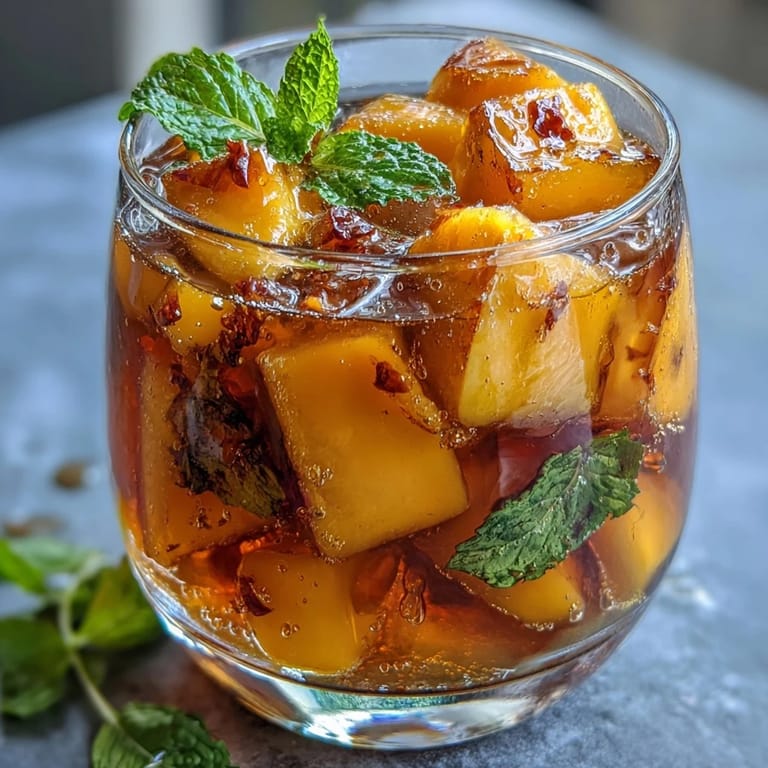
 Last summer, my neighbor showed up at my door with a basket of peaches from her orchard and a single mango she'd splurged on at the farmer's market, asking if I could do anything interesting with them. I'd been craving something cold and bright, tired of the same iced coffee routine, so I grabbed my blender and started experimenting. That afternoon turned into an entire afternoon of tasting and tweaking, with her sitting on my kitchen counter offering opinions between sips. The result was this mango peach iced tea—a drink that tastes like summer distilled into a glass.
I made this for a small gathering on my porch in late May, and watching people take that first sip—the surprise on their faces when they tasted real fruit instead of artificial sweetness—reminded me why homemade drinks hit different. My friend Sarah asked for the recipe before she'd even finished her first glass, which meant everything to me.
Ingredients
- Water (4 cups for tea, 2 cups cold): This base matters more than you'd think—filtered water makes a noticeable difference, keeping the fruit flavors from getting muddied by chlorine.
- Black tea bags (4): The tannins give structure to the sweetness of the fruit, but green tea works beautifully too if you want something lighter and more delicate.
- Mango (1 large, ripe): Look for one that yields slightly to pressure—it should smell fragrant at the stem, not mealy or hard.
- Peaches (2 ripe): Buy them a day or two before if they're firm; they'll be sweeter and easier to work with than rock-hard ones.
- Honey or agave syrup (2 tablespoons): This isn't just sweetness—it adds body and silkiness, though you can adjust down if your fruit is particularly sweet.
- Fresh lemon juice (1 tablespoon): Bottled juice won't give you the same brightness, so squeeze it fresh if you can.
- Ice cubes (1 cup, plus more for serving): Make sure your ice is fresh and doesn't taste stale from sitting in the freezer.
- Fresh mint leaves (1 small bunch): Use the tender leaves from the top of the plant—they're more aromatic than the older, tougher ones at the base.
- Mango and peach slices (optional, for garnish): These add visual charm and an excuse to take another bite of fruit.
Tired of Takeout? 🥡
Get 10 meals you can make faster than delivery arrives. Seriously.
One email. No spam. Unsubscribe anytime.
Instructions
- Heat and steep your tea:
- Bring the water to a rolling boil, then turn off the heat and add your tea bags—if you're using black tea, five minutes is the sweet spot before it becomes astringent. Let it cool completely at room temperature rather than rushing it with ice, which dilutes the flavor.
- Blend the fruit into silky submission:
- Combine your diced mango, peaches, honey, and lemon juice in the blender and let it run until completely smooth—you're aiming for a vibrant purée with no chunks. Taste as you go and add more honey if the fruit is less sweet than you'd hoped.
- Strain if you prefer it smooth:
- Pour the purée through a fine mesh sieve, pressing gently with the back of a spoon to extract every drop of juice while leaving the fibrous bits behind. This step is optional but gives you a more elegant, refined drink.
- Combine tea and fruit:
- Pour your cooled tea into a pitcher with the fruit purée and stir thoroughly, making sure the two fully integrate. The color will shift into something beautiful, like liquid sunset.
- Add cold water and ice:
- Pour in the cold water and add your cup of ice cubes, stirring constantly to chill everything down while you're at it. Taste now and add more honey or lemon as needed—chilling can mute flavors, so be generous.
- Muddle the mint gently:
- Add about half the fresh mint leaves and press them lightly against the pitcher's sides to release their oils without crushing them into a bruised, bitter mess. This is where patience matters—light pressure is everything.
- Chill and let flavors marry:
- Refrigerate for at least fifteen minutes, though longer is better if you have the time and can resist. The mint flavor deepens, and the whole drink becomes more cohesive.
- Pour and garnish with intention:
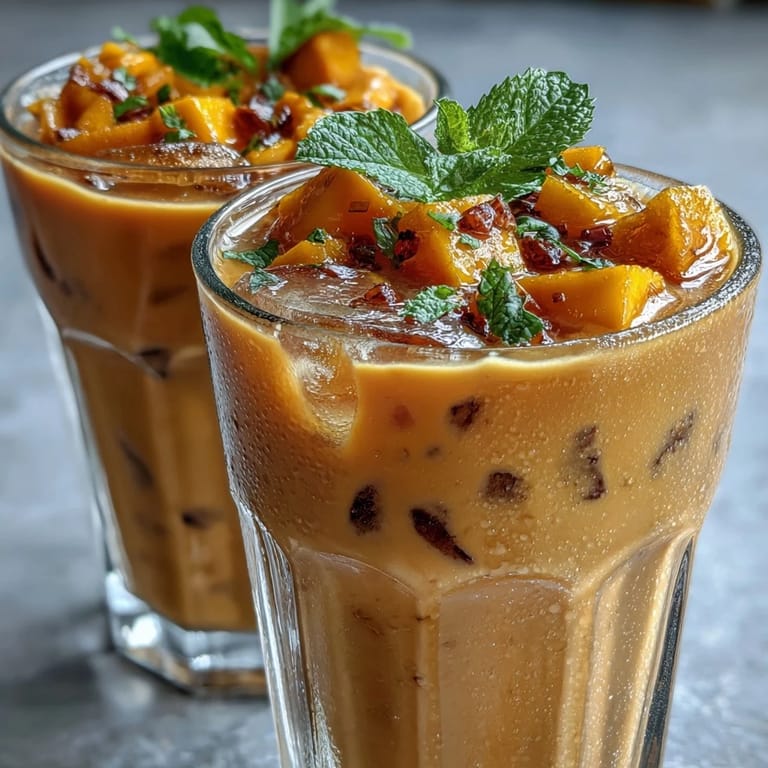
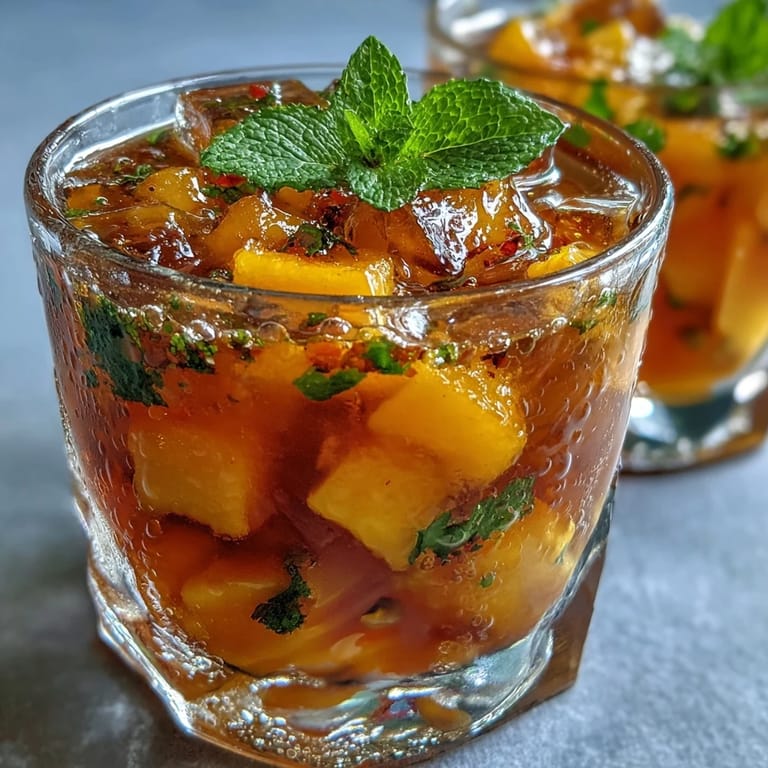
- Fill glasses with fresh ice, pour the tea carefully, and top with fresh mint leaves and thin slices of mango or peach. The ritual of pouring makes it taste better, I promise.
 Pin It
 I think of this drink as proof that the simplest combinations often hold the most magic. On afternoons when everything feels too hot and the world feels too loud, a glass of this brings me back to that moment on my porch, surrounded by people I loved, tasting something I'd made with my own hands.
Why Fresh Fruit Really Matters
There's a learning curve to picking ripe fruit, and I spent years buying mangoes that were either hard as rocks or already turning brown. The smell test is your best friend—a ripe mango should smell sweet and fruity at the stem end, not sour or chemical. The same goes for peaches; if they smell like nothing, they'll taste like nothing, so trust your nose more than the expiration date on the label.
Tea Selection and Temperature
I used black tea because I love how the slight tannins balance the sweetness of the fruit, creating complexity instead of one-note sugary flavor. But experiment if you want—green tea brings a lighter, grassier note that works beautifully if you're using especially sweet fruit, and herbal teas like chamomile or white tea can add unexpected dimensions. Temperature matters too: cold-steeping the tea overnight gives you an even gentler, smoother flavor if you have the time.
Sweetness and Personal Taste
This recipe gives you a starting point, but your version should taste like what you actually enjoy drinking, not what you think it should taste like. Some afternoons I want it sweeter and more indulgent; other times I want mostly tea with just a whisper of fruit. Taste as you build it, and remember that cold drinks taste less sweet than room-temperature ones, so your glass might need a nudge more honey even if the pitcher tastes perfect.
- Start with less honey than the recipe calls for, then add more once you've tasted the chilled version.
- A splash of lime juice adds brightness without extra sweetness if you want more complexity.
- For a sparkling version, add soda water just before serving so the bubbles stay lively and don't go flat.
 Pin It
 This drink reminds me that sometimes the best moments in cooking aren't about complicated techniques or rare ingredients—they're about taking what you have, what someone shares with you, and turning it into something that makes people smile. Pour this on a warm afternoon and watch how it brings people together.
Questions & Answers
- → Can green tea be used instead of black tea?
Yes, green tea offers a lighter, more delicate base while still complementing the fruity flavors well.
- → How long should the tea be steeped?
Steep tea bags in boiling water for about 5 minutes to extract rich flavor without bitterness.
- → Is it necessary to strain the fruit purée?
Straining removes fibers for a smoother texture, but it can be skipped if a pulpy consistency is desired.
- → What alternatives can be used instead of honey?
Agave syrup, maple syrup, or other plant-based sweeteners work well to maintain a vegan-friendly option.
- → Can sparkling water be added?
Yes, replacing some cold water with sparkling water before serving gives a bubbly, effervescent twist.
- → How should fresh mint be prepared for best flavor?
Gently muddle half of the mint leaves in the pitcher to release aromatic oils without overpowering the drink.